 +1 305 709 4119 (Click to chat)


Dehydration And Erectile Dysfunction

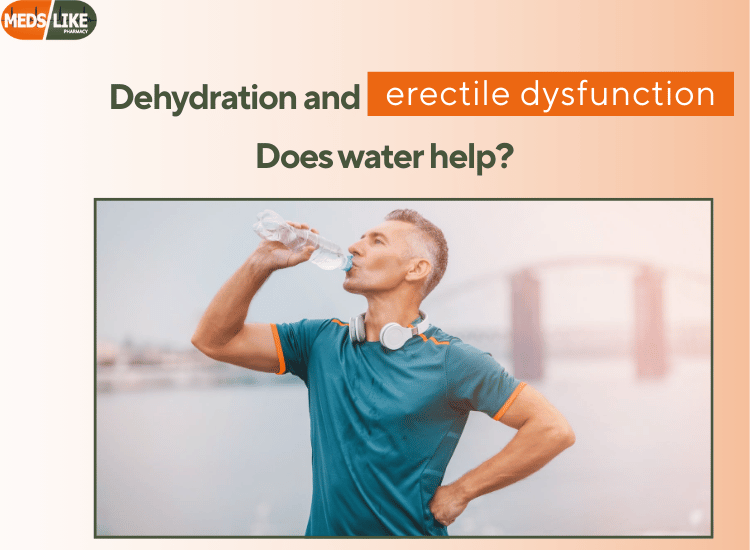
Erectile dysfunction (ED) is a condition that affects millions of men worldwide, yet its causes are often misunderstood. While many associate ED with aging, lifestyle choices, or underlying health conditions, one overlooked factor is hydration. You might be surprised to learn that dehydration could play a role in sexual health. But can simply drinking water really help with ED? Let’s explore the connection.
Understanding Erectile Dysfunction
Erectile dysfunction is defined as the inability to achieve or maintain an erection firm enough for sexual activity. Occasional difficulty is normal, but when it becomes persistent, it may indicate a deeper problem. ED is often linked to cardiovascular issues, hormonal imbalances, nerve damage, or psychological factors such as stress and anxiety.
Blood flow plays a crucial role in achieving an erection. When the arteries supplying the penis are healthy and unobstructed, the erectile tissues fill with blood, creating firmness. Any factor that reduces blood flow, including poor circulation or low blood volume, can contribute to ED. This is where hydration comes into play.
How Dehydration Affects the Body
Dehydration happens when the body loses more fluids than it absorbs, impacting overall health. Even mild dehydration can have a noticeable impact on energy levels, mood, and cognitive function. Chronic dehydration can lead to reduced blood volume, thicker blood, and poor circulation, all of which are essential factors in sexual performance.
Water also helps maintain the balance of electrolytes, which regulate muscle and nerve function. Since the penis relies on smooth muscle relaxation to fill with blood during arousal, dehydration can indirectly interfere with the physiological process of an erection.
The Link Between Dehydration and ED
Although research directly linking dehydration and erectile dysfunction is limited, the physiological connection is clear. Dehydration lowers blood volume, which reduces circulation to all parts of the body, including the penis, making it harder to achieve an erection. It can also disrupt hormonal balance since proper hydration supports the endocrine system responsible for producing testosterone, a hormone essential for sexual desire and performance.
In addition, dehydration often causes fatigue and low energy, which can lower libido and make intimacy more challenging. It may also affect mental well-being by increasing irritability and stress, further contributing to ED. While drinking water alone may not completely resolve ED caused by chronic health issues, staying properly hydrated is an easy and effective way to support better sexual health.
Signs You Might Be Dehydrated
Recognizing dehydration is crucial because it can affect more than just sexual function. Common signs include:
-
Dark yellow or strong-smelling urine
-
Dry mouth or lips
-
Headaches or dizziness
-
Fatigue or low energy
-
Reduced concentration
If you notice these symptoms, it’s a signal that your body, including your sexual health, may not be functioning optimally.
How Water Can Help
Drinking enough water may improve ED indirectly by:
-
Improving Circulation: Adequate hydration keeps blood volume and pressure at healthy levels, ensuring that the penis receives sufficient blood flow during arousal.
-
Supporting Hormonal Function: Water is essential for maintaining normal hormone production, including testosterone, which is vital for libido and erectile function.
-
Boosting Energy and Mood: Staying hydrated reduces fatigue and helps maintain a positive mental state, reducing stress-related ED.
-
Enhancing Overall Health: Proper hydration supports kidney function, heart health, and nutrient transport, all of which play a role in sexual performance.
While water alone may not cure ED caused by conditions such as diabetes or heart disease, it can improve sexual function in men who experience mild or situational erectile issues.
Tips for Staying Hydrated
To maximize the benefits of hydration for sexual health, it’s important to stay consistent with fluid intake. Aim to drink 6–8 glasses (1.5–2 liters) of water daily, or more if you’re physically active or live in a hot climate.
Monitoring your urine color can help—pale yellow usually indicates proper hydration, while dark yellow may signal a need for more fluids. Incorporating water-rich foods like watermelon, cucumbers, and oranges can also boost your intake.
At the same time, it’s wise to limit dehydrating beverages such as alcohol and excessive caffeine, which can increase fluid loss. For those who sweat heavily, drinks that replenish electrolytes may be helpful, but it’s best to avoid options high in sugar.
Consistency matters—waiting until you feel thirsty isn’t enough, as proactive hydration supports optimal blood flow, energy levels, and overall sexual health throughout the day.
Lifestyle Habits That Complement Hydration
In addition to drinking water, combining other healthy habits can further reduce the risk of ED:
-
Exercise Regularly: Physical activity improves circulation, stamina, and cardiovascular health.
-
Maintain a Healthy Diet: Foods rich in vitamins, minerals, and antioxidants support blood vessel function and hormonal balance.
-
Manage Stress: Stress reduction techniques like meditation or yoga help prevent psychological ED.
-
Avoid Smoking and Limit Alcohol: Both can impair blood flow and reduce erectile function.
-
Get Enough Sleep: Quality sleep supports hormone production and overall health.
When to See a Doctor
While hydration is important, ED can also be a sign of a serious underlying health condition. If you experience persistent erectile difficulties, consult a healthcare professional. They may check for cardiovascular disease, diabetes, hormonal imbalances, or nerve damage and suggest appropriate treatments.
Treatments can include medications like PDE5 inhibitors, hormone therapy, counseling, or medical devices. Drinking water is a helpful, supportive measure, but may not replace medical treatment in more serious cases.
Final Thoughts
Dehydration can subtly affect sexual health by reducing blood flow, lowering energy, and impairing hormonal balance. While drinking water alone may not cure erectile dysfunction, staying well-hydrated supports overall health and can improve sexual performance in men who experience mild or situational ED.
Incorporating proper hydration into a healthy lifestyle—combined with exercise, stress management, and balanced nutrition—can make a noticeable difference. Paying attention to your body’s fluid needs is an easy yet powerful step toward better sexual and overall health.
Remember, sexual health is closely tied to overall well-being. Treat your body well, drink enough water, and seek medical advice if erectile problems persist.


