Symptoms of Asthma:
The severity of asthma symptoms can vary from person to person. Common symptoms include:
- Sudden coughing, especially during exercise, at night, or while laughing
- Wheezing or a whistling sound while breathing
- Chest tightness
- Shortness of breath
- Fatigue
Causes of Asthma:
Asthma is caused by a combination of genetic and environmental factors, including:
- Genetic factors: A family history of asthma (parents or grandparents) increases the risk of developing it.
- Weak immune response to infections: Frequent colds or viral infections may increase susceptibility.
- Air pollution: Living or working in polluted urban or industrial environments raises the risk.
- Exposure to allergens and irritants: Regular contact with dust, smoke, or chemicals can trigger asthma.
- Hygiene hypothesis: Limited exposure to microbes in early childhood may increase the risk, while early exposure (e.g., farms or pets) may offer some protection.
- Associated medical conditions: Conditions such as allergic rhinitis, hay fever, and eczema are linked with a higher risk.
- Exacerbation triggers: Substances like dust, mold, and animal dander can provoke sudden asthma attacks.
Treatment and Medication Options:
Asthma management generally includes several approaches:
- Breathing exercises: Techniques that help improve lung capacity and airflow.
- Rescue or fast-acting medications: Used during asthma attacks, including inhalers and nebulizers that deliver bronchodilators and anti-inflammatory drugs to quickly open airways.
- Long-term medications: Used regularly to prevent symptoms, such as corticosteroids, montelukast, salmeterol, and mast cell stabilizers.
- Home remedies: Some people use supportive measures like warm fluids, caffeine (coffee or tea), and certain essential oils (eucalyptus, basil, lavender) or mustard oil massage for temporary relief.
- Trigger management: Identifying and avoiding individual asthma triggers is an essential part of treatment.
Doctors may prescribe one or a combination of these treatments depending on the patient’s condition.
Diagnosis of Asthma:
Asthma is suspected when symptoms such as wheezing, coughing, and breathing difficulty occur repeatedly, especially if they worsen due to exercise, infections, weather changes, or exposure to allergens and pollutants.
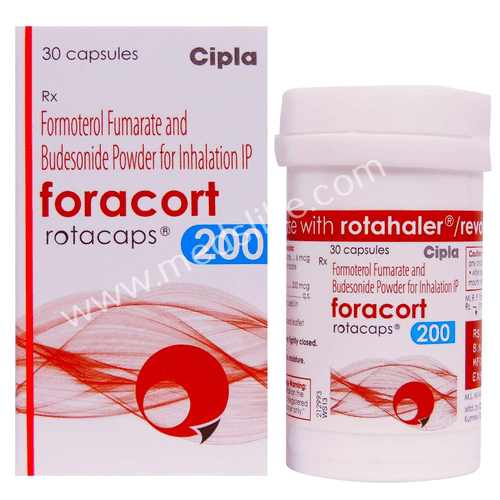
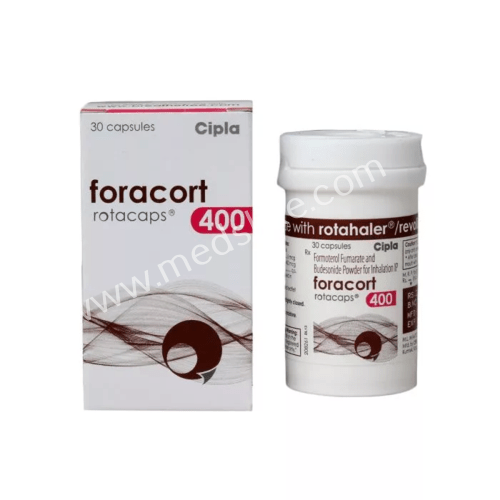
A spirometry test is commonly used to confirm the diagnosis by measuring lung function. What is the pink inhaler for asthma is a commonly used rescue inhaler that provides quick relief during asthma attacks by opening narrowed airways and easing breathing.
Triggers of Asthma:
Common asthma triggers include:
- Respiratory infections like the flu or pneumonia
- Physical exertion or excessive exercise
- Air pollutants such as smoke, fumes, and strong odors
- Allergens like dust mites, pollen, and animal dander
- Weather changes and seasonal shifts
- Extreme conditions such as high humidity or cold air
- Emotional factors like laughing, crying, anger, or stress
FAQs:
Q: Is asthma a curable disease?
Asthma is a chronic condition, meaning it cannot be completely cured, but it can be effectively controlled with proper treatment and lifestyle management.
Q: Can asthma go away with age?
In some cases, especially in children, symptoms may improve or disappear with age, but asthma can return later in life.
Q: Is asthma contagious?
No, asthma is not contagious. It cannot spread from one person to another.
Q: What should be done during an asthma attack?
Use a prescribed rescue inhaler immediately, stay calm, sit upright, and seek medical help if symptoms do not improve.
Q: Can exercise trigger asthma?
Yes, in some people physical activity can trigger symptoms, but regular exercise is still recommended with proper precautions and medication.
 +1 305 709 4119 (Click to chat)