 +1 305 709 4119 (Click to chat)


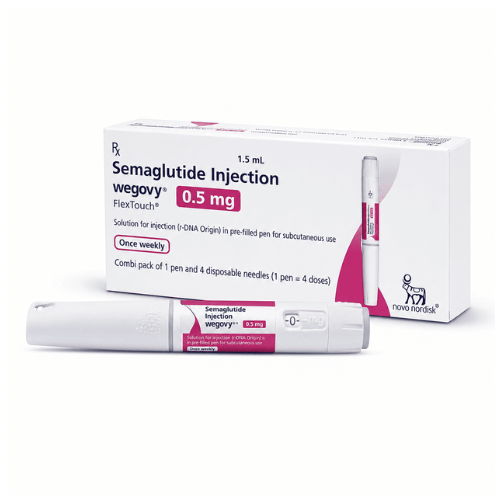
What is Ozempic 1mg?
Ozempic 1mg is a prescription medication that contains semaglutide, a GLP-1 receptor agonist. It is primarily used to improve blood sugar control in adults with type 2 diabetes and may also aid in weight loss. Ozempic is administered as a once-weekly subcutaneous injection.
Uses of Ozempic 1mg
-
Management of type 2 diabetes mellitus.
-
To reduce the risk of major cardiovascular events (e.g., heart attack or stroke) in adults with type 2 diabetes and known heart disease.
-
Off-label: Used in weight management in people without diabetes, though Wegovy (also semaglutide) is FDA-approved for that purpose.
Benefits of Ozempic 1mg
-
Lowers blood glucose levels effectively.
-
Reduces A1C (glycated hemoglobin) levels.
-
Promotes weight loss in many patients.
-
Helps reduce the risk of cardiovascular complications in high-risk patients.
-
Convenient once-weekly dosing improves adherence.
How Does Ozempic 1mg Work?
Ozempic mimics the effects of GLP-1 (glucagon-like peptide-1):
-
Stimulates insulin secretion in response to high blood glucose.
-
Reduces glucagon release, lowering blood sugar.
-
Slows gastric emptying, which helps reduce appetite and promote weight loss.
How to Take Ozempic 1mg
-
Administer once a week via subcutaneous injection in the thigh, abdomen, or upper arm.
-
Use the same day each week, at any time of day, with or without meals.
-
Rotate injection sites to avoid irritation.
Dosage of Ozempic 1mg
-
Initiation: Typically starts at 0.25 mg once weekly for 4 weeks (to reduce GI side effects).
-
Titration: Increased to 0.5 mg after 4 weeks.
-
Maintenance: 1 mg once weekly is a common therapeutic dose. Some may be increased to 2 mg if needed.
-
Always follow your healthcare provider’s dosing plan.
Missed Dose and Overdose
-
Missed Dose: If less than 5 days have passed, take it as soon as possible. If more than 5 days have passed, skip the dose and take the next one on your regular schedule.
-
Overdose: May cause severe nausea, vomiting, or hypoglycemia. Seek immediate medical attention if overdose is suspected.
Available Strengths of Ozempic
-
0.25 mg/0.19 mL (for initiation only)
-
0.5 mg/0.37 mL
-
1 mg/0.74 mL
-
2 mg/1.5 mL
Side Effects of Ozempic 1mg
Common:
-
Nausea
-
Vomiting
-
Diarrhea
-
Constipation
-
Decreased appetite
Serious:
-
Pancreatitis
-
Gallbladder issues
-
Kidney problems
-
Thyroid tumors (including medullary thyroid carcinoma in animal studies)
Interactions of Ozempic 1mg
May interact with:
-
Insulin or sulfonylureas – may increase the risk of hypoglycemia.
-
Oral medications – may affect absorption due to delayed gastric emptying.
-
Warfarin – monitor INR more closely when starting or changing dose.
Precautions of Ozempic 1mg
-
Not for use in type 1 diabetes or diabetic ketoacidosis.
-
Use cautiously in people with pancreatitis, renal impairment, or gastrointestinal disorders.
-
Not recommended during pregnancy or breastfeeding.
-
Contraindicated in patients with a personal or family history of medullary thyroid carcinoma or MEN 2.
Storage Information
-
Store unopened pens in the refrigerator (2°C to 8°C / 36°F to 46°F).
-
After first use, it can be stored at room temperature (below 30°C / 86°F) or in a refrigerator.
-
Do not freeze or expose to direct sunlight.
-
Discard pen 56 days after first use, even if medication remains.
Availability in the US and Australia
-
United States: Available by prescription under the brand name Ozempic, manufactured by Novo Nordisk.
-
Australia: Available by prescription on the Pharmaceutical Benefits Scheme (PBS) for eligible patients with type 2 diabetes.
Note: Due to demand, there may be periodic supply shortages. Pharmacies can advise on availability.
Frequently Asked Questions (FAQs)
1. Is Ozempic the same as Wegovy?
No. Both contain semaglutide, but Ozempic is approved for diabetes, while Wegovy is approved for weight loss.
2. Can Ozempic be use for weight loss?
Yes, off-label, but Wegovy is specifically approve for that purpose.
3. How long does it take to see results?
Blood sugar improvement may be seen in a few weeks; weight loss effects often become noticeable after 8–12 weeks.
4. Can I take Ozempic with other diabetes medications?
Yes, but your doctor may adjust doses to avoid hypoglycemia.
5. Is Ozempic cover by insurance?
Coverage varies by provider and country. In the US, most commercial insurance and Medicare plans offer partial coverage.





Reviews
There are no reviews yet.