 +1 305 709 4119 (Click to chat)


Mebendazole vs Fenbendazole

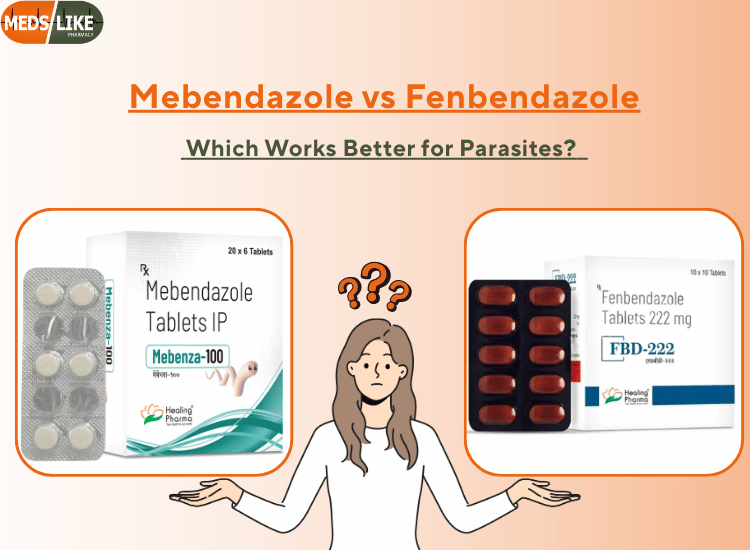
Mebendazole and Fenbendazole are both well-known anthelmintic medications used to eliminate parasitic worm infections. However, they are not the same. Mebendazole is an FDA-approved treatment for humans and is commonly prescribed for intestinal parasites. On the other hand, Fenbendazole 444 mg is formulated for veterinary use and is mainly given to animals such as dogs, cats, and livestock. Although both belong to the benzimidazole drug class, their usage, safety approval, and applications are different. Many people compare Mebendazole vs Fenbendazole, but understanding their purpose helps clarify how each works for humans and animals separately. Mebendazole is an antiparasitic medication commonly prescribed for humans to treat infections caused by worms such as roundworms, pinworms, hookworms, and whipworms. It works by preventing the parasite from absorbing glucose, which eventually leads to its death. While generally safe when prescribed, it should not be taken without medical guidance. Fenbendazole is commonly found in powdered, liquid, or chewable formulations for pets. Some people have discussed its potential use in humans, but it is not officially approved for routine human treatment, so medical supervision is essential before considering it. Although they belong to the same drug category, there are important differences: So, when comparing Mebendazole vs Fenbendazole, the biggest difference is who they are meant for — humans vs animals. Mebendazole vs Fenbendazole for parasites—which one works better truly depends on the type of infection and proper medical guidance. Type of parasite Patient age and medical history Whether the medication is approved for the intended user For humans, Mebendazole is generally the recommended choice due to clinical approval and established safety. Fenbendazole may also be effective, but should not be used without proper professional guidance, especially when being considered for human treatment. Fenbendazole has recently become popular due to anecdotal claims suggesting potential anti-cancer benefits. However, current research remains limited, and findings are not yet conclusive. There is no official medical approval supporting the use of Fenbendazole for cancer treatment. Similarly, Mebendazole has been examined in preliminary studies for possible anti-cancer effects, but this research is still experimental. Neither medication is a certified cancer therapy, and using them without medical guidance can be risky. Proven and professionally supervised treatments should always remain the first choice. If you are looking for prescribed medications like Mebendazole vs fenbendazole dosage, choosing a trusted platform matters. Medslike offers: Genuine and verified medicines Affordable pricing Secure and private delivery Easy ordering with support Discounts on repeat purchases Many users prefer Medslike because it provides safe, quality medicines delivered discreetly, especially when dealing with sensitive health concerns like parasitic infections. The comparison of Mebendazole vs Fenbendazole shows that although both are effective antiparasitic medications, they are designed for different purposes. Mebendazole is clinically approved, well-tested, and commonly prescribed for human use, while Fenbendazole is mainly formulated for animals and should only be considered for humans with proper caution and medical guidance. Consulting a healthcare professional before using either medication is essential to ensure safety and correct treatment. And if purchasing online, choosing a reliable and verified source is important — platforms like Medslike help make the process safe, convenient, and trustworthy. 1. Can humans take Fenbendazole? Fenbendazole is mainly approved for animals. Any human use should only happen under strict medical supervision. 2. Is Mebendazole available over the counter? In some regions, it may be, but in many places, a prescription is required. 3. Which works faster — Mebendazole or Fenbendazole? The effectiveness depends on the type of infection and dosage. Mebendazole is often preferred for humans due to its tested safety. 4. Are there side effects? Yes, both medications may cause mild side effects like stomach discomfort. Severe reactions are rare but possible. 5. Can these medications prevent future parasitic infections? No. They treat existing infections but do not guarantee prevention. Hygiene and prevention habits are still important. https://my.clevelandclinic.org/health/diseases/24885-parasitic-infection https://www.ebsco.com/research-starters/health-and-medicine/worm-infections
What Is Mebendazole?
What Is Fenbendazole?
Fenbendazole vs Mebendazole: Key Difference
Feature
Fenbendazole
Mebendazole
Primary Use
Broad-spectrum antiparasitic for intestinal worms
Commonly used for human intestinal worm infections
Effective Against
Roundworms, hookworms, whipworms, tapeworms
Roundworms, whipworms, hookworms, pinworms
Mode of Action
Blocks parasite glucose uptake; disrupts energy
Inhibits parasite glucose absorption leading to death
Usual Dosage Frequency
Typically taken for 3 consecutive days
Single dose or repeated after 2 weeks (varies)
Onset of Action
Works gradually within a few days
Starts working within hours
Common Form
Tablet / suspension
Tablet / chewable tablet
Safety
Generally well-tolerated; mild stomach upset possible
Well-tolerated; mild abdominal pain or nausea possible
Best For
Broad worm infestations requiring extended action
Common intestinal worm infections needing quick action
Mebendazole vs Fenbendazole: Which Works Better for Parasites?
Mebendazole vs Fenbendazole for Cancer Claims
Mebendazole vs Fenbendazole: Why Medslike Is the Best Place to Buy
Conclusion
FAQs
References


