 +1 305 709 4119 (Click to chat)


What foods contain PDE5 inhibitors

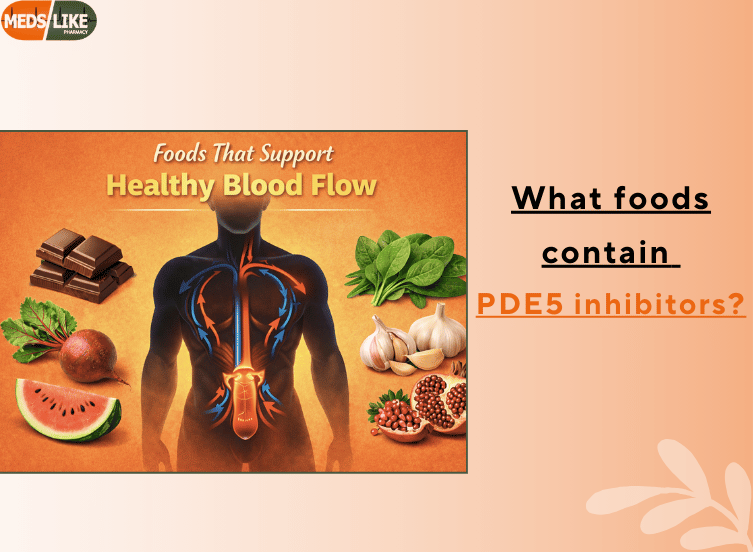
When people hear the term PDE5 Inhibitors, they often think only of prescription medications. However, certain foods contain natural compounds that support similar pathways in the body. These foods don’t act like medicines, but they may help maintain healthy blood flow and nitric oxide levels when consumed regularly as part of a balanced diet. In this blog, we’ll explore what PDE5 inhibitors are, how they work, which foods may support this mechanism naturally, and how food-based options compare with pharmaceutical PDE5 inhibitors. A PDE5 Inhibitor is a substance that reduces the activity of an enzyme called phosphodiesterase type-5 (PDE5). This enzyme plays a role in breaking down cyclic guanosine monophosphate (cGMP), a compound that helps blood vessels relax. When PDE5 activity is reduced, cGMP remains active for longer, allowing blood vessels to stay relaxed and support better circulation. This mechanism is why PDE5 inhibitors are commonly discussed in relation to blood flow and vascular function. To understand how a PDE5 inhibitor tablet works, it helps to look at the blood flow process in simple terms: The body releases nitric oxide Nitric oxide helps produce cGMP cGMP relaxes blood vessel walls PDE5 breaks down cGMP PDE5 inhibitors slow this breakdown As a result, blood vessels remain relaxed for a longer time, supporting smoother circulation. While pharmaceutical PDE5 inhibitors act directly and strongly, foods influence this pathway indirectly and more gently. Foods do not contain pharmaceutical-level PDE5 inhibitors for Erectile Dysfunction, but many provide natural compounds that support nitric oxide production or protect cGMP from breaking down too quickly. Here are some commonly discussed foods: Dark Chocolate Dark chocolate contains flavonoids, which are plant-based compounds known for their antioxidant benefits. These flavonoids help support nitric oxide production, encouraging healthy blood flow and potentially supporting overall sexual wellness. Watermelon This refreshing fruit contains an amino acid called citrulline, which supports the body’s natural production of nitric oxide. Nitric oxide helps relax blood vessels and promotes healthy blood circulation. Improved circulation throughout the body may support better blood flow to the penile area, contributing to overall sexual wellness. Leafy Green Vegetables Spinach, kale, and beet greens are rich in natural nitrates. The body converts these nitrates into nitric oxide, which helps support healthy blood vessel function and contributes to overall heart wellness. Beetroot Beets are known for their nitrate content and are often linked to improved circulation when eaten regularly. Garlic Garlic contains sulfur compounds that support blood vessel relaxation and overall cardiovascular health. Pomegranate Pomegranate provides antioxidants and polyphenols that help protect nitric oxide from oxidative damage. Chili Peppers Capsaicin, found in chili peppers, may encourage blood flow by supporting vessel dilation. Incorporating natural foods that promote PDE-5 inhibitors benefits may support healthier circulation and daily vitality. Supports healthy blood circulation Helps maintain nitric oxide levels Encourages vascular flexibility Complements heart-healthy eating habits Provides antioxidant and nutrient support These benefits develop gradually and depend on consistent dietary habits rather than immediate effects. While both food-based and pharmaceutical Natural PDE5 inhibitors support blood flow, they differ significantly: Strength: Medicines are stronger and targeted; foods are mild and supportive Speed: Medicines act quickly; foods work gradually Purpose: Medicines are prescribed; foods support overall wellness Usage: Foods are part of the daily diet; medicines follow specific dosing Foods should never be viewed as replacements for prescribed PDE5 inhibitors. Instead, they work best as part of a healthy lifestyle approach. Foods containing PDE5 inhibitor-supporting compounds provide a natural way to encourage healthy circulation and vascular function. While they don’t offer the same direct effects as pharmaceutical PDE5 inhibitors, they play a valuable role in long-term wellness. Adding nutrient-rich foods like leafy greens, beets, garlic, and watermelon to your diet supports your body’s natural pathways gently and sustainably. Consistency, balance, and overall lifestyle choices matter most. Are foods natural PDE5 inhibitors? Foods don’t act as direct PDE5 inhibitors, but they contain compounds that support similar blood-flow pathways. Can PDE5 inhibitor foods replace medication? No. Foods are supportive and not substitutes for prescribed PDE5 inhibitors. How long does it take to see benefits from these foods? Dietary benefits develop over time with regular consumption and healthy habits. Are these foods safe for daily consumption? Most are safe when eaten as part of a balanced diet, but individual needs may vary. Which food works best for blood flow? A combination of nitrate-rich vegetables, fruits, and antioxidant-rich foods works better than relying on one item.
What Are PDE5 Inhibitors?
How Do PDE5 Inhibitors Work?

What Foods Contain PDE5 Inhibitors?
Benefits of Incorporating PDE5 Inhibitor Foods
Foods and Their Natural PDE5 Support Compounds
Food Item
Natural Compound
How It Supports Blood Flow
Dark Chocolate
Flavonoids
Supports nitric oxide
Watermelon
L-Citrulline
Helps nitric oxide production
Spinach
Dietary Nitrates
Encourages vessel relaxation
Beetroot
Natural Nitrates
Supports circulation
Garlic
Allicin
Promotes vessel flexibility
Pomegranate
Polyphenols
Protects nitric oxide
Chili Peppers
Capsaicin
Supports blood flow
How These Foods Compare to PDE5 Inhibitor Medicines
Final Thoughts
FAQs


