 +1 305 709 4119 (Click to chat)


Is it Unhealthy To Not Get Morning Wood?


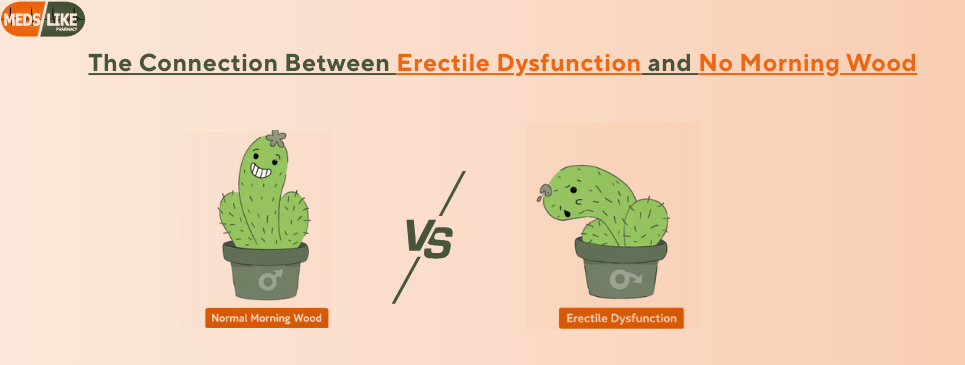
Waking up with an erection—often called morning wood—is something many men experience at different stages of life. It can feel awkward to talk about, but it’s actually a normal body response. Morning wood, medically known as Nocturnal Penile Tumescence (NPT), usually happens during sleep and does not require sexual thoughts or stimulation. But what if it doesn’t happen anymore? Many people start to worry and ask: Is it unhealthy to not get morning wood? This article explains the causes of morning wood, what it means if it’s missing, and what you can do to support healthy erections in a simple, easy-to-read way. Morning wood refers to an erection that occurs during sleep or right after waking up. It can happen at any age, from teenage years to older adulthood. Despite the name, it doesn’t only happen in the morning—it occurs during certain sleep cycles, especially during REM (rapid eye movement) sleep. Another reason is hormones. Testosterone levels are usually higher in the early morning, which can support erections. However, hormones alone are not the only cause—healthy nerves, good blood flow to the penis, and proper sleep cycles all play an important role. In simple terms, it is a sign that the brain, nerves, blood vessels, and hormones are working together properly. To summarize this key question: No morning wood is not always unhealthy, especially if it happens once in a while. Bodies change, and erections are influenced by many factors. However, a consistent absence of morning wood may be a sign that something—such as sleep quality, mental health, blood flow, or hormones—needs attention. Think of morning wood as a helpful signal, not a strict health test. Erectile Dysfunction (ED) means difficulty getting or maintaining an erection during sexual activity. Morning wood can sometimes help doctors understand whether erection problems are more physical or psychological. If a person rarely or never gets morning wood, it may point toward physical factors such as poor blood flow, nerve issues, or hormonal changes. If a person still gets morning wood but struggles during sexual activity, psychological factors like stress, anxiety, or performance pressure may be involved. It’s important to note that no morning wood does not automatically mean ED. Occasional changes are normal. What matters is a consistent pattern over time. Several everyday factors can influence how often it occurs. These do not always indicate a serious problem but are worth understanding. As you can see, no morning wood can be linked to many common and manageable factors. Supporting overall health is one of the best ways to promote regular morning erections. You don’t need extreme measures—small, consistent habits can make a big difference. Aim for 7–9 hours of sleep each night. Good sleep supports REM cycles, which are essential for morning wood. Regular exercise improves blood circulation and supports heart health, both of which are important for erections. Foods rich in nutrients, healthy fats, and antioxidants support blood vessel health and hormone balance. Stress and anxiety can disrupt the brain signals needed for erections. Relaxation Practices: Techniques such as deep breathing, meditation, and yoga can help reduce stress and support sexual health. Limiting smoking, excessive alcohol, and recreational drugs can improve nerve and blood vessel function over time. Exercises such as Kegels help strengthen pelvic muscles, which support blood flow and erectile strength. If no morning wood low testosterone happens occasionally, there is usually no need to worry. Temporary changes can happen due to stress, poor sleep, or short-term illness. However, you should consider speaking with a doctor if: It has been absent for several weeks or months You also notice low libido or difficulty getting erections You feel unusually tired or experience mood changes You have existing conditions like diabetes or heart issues Practical Steps to Take: Talk openly with a healthcare professional Review current medications with your doctor Focus on sleep, exercise, and nutrition Reduce stress where possible Avoid self-diagnosing or panic Early discussion can help identify minor issues before they become bigger problems. Morning wood is a natural and common occurrence that reflects healthy sleep cycles, nerve function, blood flow, and hormones. Missing it occasionally is normal and usually harmless. However, no morning wood over a long period may point to lifestyle factors, stress, sleep problems, or physical changes that deserve attention. The good news is that many of these factors are manageable with healthy habits and proper medical guidance. Instead of worrying, stay aware. If changes persist, consulting a doctor can provide clarity and peace of mind. Supporting your overall health is the best way to support sexual health as well. Is it normal not get morning wood every day? At what age does morning wood stop? Can stress cause no morning wood? Does no morning wood mean low testosterone? When should I see a doctor? https://www.sciencedirect.com/topics/medicine-and-dentistry/nocturnal-penile-tumescence https://my.clevelandclinic.org/health/body/23266-parasympathetic-nervous-system-psns
The short answer is—not always. However, no morning wood over a long period can sometimes signal that something in the body or lifestyle needs attention.What Causes Morning Wood?
Is It Unhealthy to Not Get Morning Wood?
The Connection Between Erectile Dysfunction and the Absence of Morning Wood
Other Factors That Affect Morning Wood
Factor
How It Affects Morning Wood
Age
Morning erections may become less frequent as men get older.
Sleep Quality
Poor or interrupted sleep can reduce REM cycles, affecting morning erections.
Stress & Anxiety
Mental stress can disrupt nerve signals required for healthy erections.
Hormone Levels
Low testosterone levels may reduce the frequency of morning erections.
Medications
Certain medicines can affect an erection as a side effect.
Lifestyle Habits
Smoking, excessive alcohol use, and lack of exercise can impair blood flow.
How to Promote Healthy Morning Wood
1. Improve Sleep Quality
2. Stay Physically Active
3. Eat a Balanced Diet
4. Manage Stress
5. Avoid Harmful Habits
6. Pelvic Floor Exercises
What Do You Do If You Are Not Getting Morning Wood?
Conclusion
FAQs
Yes. Frequency varies from person to person and can change over time.
There is no fixed age. Some men experience it well into older adulthood.
Yes. Stress and anxiety can interfere with the brain signals needed for erections.
Not always. While hormones play a role, sleep quality and blood flow are also important.
If it is absent for a long time and comes with other symptoms, it’s best to seek medical advice.References:


