 +1 305 709 4119 (Click to chat)


What Triggers Psychogenic ED and How Can You Overcome It

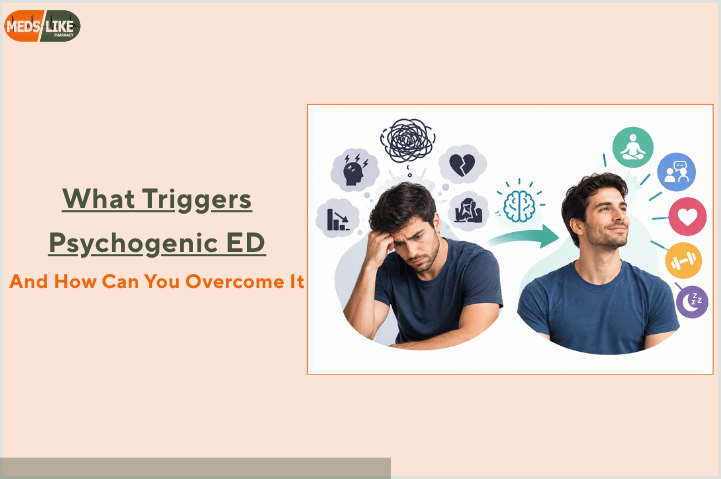
Erectile dysfunction (ED) does not always come from a physical health problem. Emotional and psychological factors can affect erections. This is often called psychogenic ED or psychological erectile dysfunction. Stress, anxiety, relationship problems, low confidence, and negative sexual experiences can all affect sexual performance. The good news is that psychogenic ED can often improve when the underlying cause is identified and addressed. This guide explains what triggers psychogenic ED, how to recognize it, and what treatment options may help. Psychogenic ED occurs when psychological or emotional factors contribute to erection difficulties. Unlike ED caused mainly by conditions affecting blood vessels, nerves, hormones, or other physical systems, psychogenic ED is strongly linked to mental and emotional factors. Men viagra before and after photos can show changes in erectile function. However, psychological and physical causes can also occur together. For example, a person may develop anxiety after experiencing ED caused by a physical condition. That anxiety can then make future erections more difficult. Because of this overlap, a healthcare professional can help determine the possible causes. Several emotional and psychological factors may contribute to psychogenic ED. Performance anxiety is a common trigger. A person may worry about getting an erection, satisfying their partner, or losing their erection during sex. These thoughts can increase stress and make it harder to stay relaxed and sexually responsive. One failed experience can start a cycle: ED episode → fear of recurrence → anxiety → erection difficulty. Everyday stress can affect sexual function. Work pressure, financial concerns, family responsibilities, and major life changes may make it difficult to focus on intimacy. When the mind is overwhelmed, sexual arousal may become less of a priority. Depression can reduce interest in sex and affect sexual satisfaction. Some people may experience lower libido, reduced energy, or difficulty becoming sexually aroused. Certain antidepressant medications can also contribute to sexual side effects, so it is important to discuss concerns with a healthcare professional rather than stopping medication on your own. Conflict, poor communication, emotional distance, or unresolved relationship issues can affect sexual confidence. If someone feels angry, disconnected, rejected, or worried about their relationship, these emotions may interfere with sexual arousal. Open communication can sometimes help reduce pressure and improve intimacy. Negative thoughts about appearance, sexual ability, or masculinity may contribute to erection problems. For example, constantly thinking, “I will not be able to perform,” can increase anxiety during sexual activity. This can make it harder to remain focused on intimacy. An earlier experience involving embarrassment, difficulty maintaining an erection, or fear of disappointing a partner may affect future sexual encounters. The person may expect the problem to happen again. This expectation can increase anxiety and contribute to another episode of ED. Psychogenic ED can sometimes have certain patterns. For example, some men may: These patterns do not confirm psychological ED. Physical and psychological causes can overlap, so proper evaluation is important. Treatment depends on the underlying cause. Several approaches may help. The first step is finding the cause. A doctor can review your medical history, medications, lifestyle, and symptoms. They may also check for conditions linked to ED, such as diabetes, heart disease, hormonal issues, or nerve problems. Do not assume that ED is purely psychological without an appropriate evaluation. Psychological counseling can help address anxiety, stress, relationship concerns, and negative thoughts surrounding sexual performance. A mental health professional or qualified sex therapist can teach strategies for managing anxiety and changing unhelpful thought patterns. Cognitive behavioral therapy (CBT), for example, may help people identify and challenge thoughts that increase sexual anxiety. Forcing an erection can worsen anxiety. Instead, focusing on intimacy, communication, and relaxation can reduce the feeling that sexual activity is a test of performance. Taking things slowly and allowing sexual activity to progress naturally may help reduce pressure. Talking openly with a partner can make a significant difference. Explain that erection difficulties are common and do not necessarily mean a lack of attraction. A supportive conversation can reduce misunderstandings and performance pressure. Partners can also work together to create a more relaxed and comfortable environment Regular physical activity, adequate sleep, relaxation techniques, and healthy routines may help reduce stress. Simple practices such as deep breathing, meditation, walking, or taking breaks from stressful activities can support overall well-being. Some medications may contribute to sexual difficulties. If you suspect a medication is affecting your erections, speak with your healthcare professional. Never stop or change prescribed medication without medical advice. Doctors may prescribe ED medications such as sildenafil or tadalafil when appropriate. These medicines improve blood flow to the penis and may help with erections when sexual stimulation is present. How to make a guy hard depends on comfort, arousal, and communication. However, they do not directly treat the psychological cause of ED. Counseling or other treatment may still be useful when anxiety, stress, or relationship problems are contributing factors. These patterns are general and cannot diagnose the cause of ED by themselves. Psychogenic ED can be triggered by performance anxiety, stress, depression, relationship difficulties, low self-esteem, or previous negative sexual experiences. These factors can interfere with sexual arousal and create a cycle of worry and erection difficulties. The condition is treatable, but the right approach depends on the underlying cause. A healthcare professional can help rule out physical causes and identify appropriate treatment. Counseling, stress management, better communication, and medical treatment when appropriate may all play a role.
What Is Psychogenic ED?
What Triggers Psychogenic ED?
Performance Anxiety
Stress
Depression
Relationship Problems
Low Self-Esteem
Previous Negative Sexual Experiences
Signs That ED May Have a Psychological Component
How Can You Overcome Psychogenic ED?
Talk to a Healthcare Professional
Consider Counseling or Sex Therapy
Reduce Performance Pressure
Improve Communication With Your Partner
Manage Stress
Review Medications With a Doctor
ED Medications May Sometimes Help
Psychogenic ED vs. Physical ED
Feature
Psychogenic ED
Physical ED
Onset
May appear suddenly
Often develops gradually
Situational
May occur in specific situations
Often occurs consistently
Morning erections
May remain normal
May be reduced in some cases
Stress connection
Often strong
May be less direct
Main contributors
Anxiety, stress, depression, relationship issues
Blood flow, nerves, hormones, health conditions
Treatment
Counseling, stress management, medical care
Treating the underlying condition, lifestyle changes, medical care
Final Thoughts
References:


