 +1 305 709 4119 (Click to chat)


What Is The Difference Between Fenbendazole And Ivermectin?

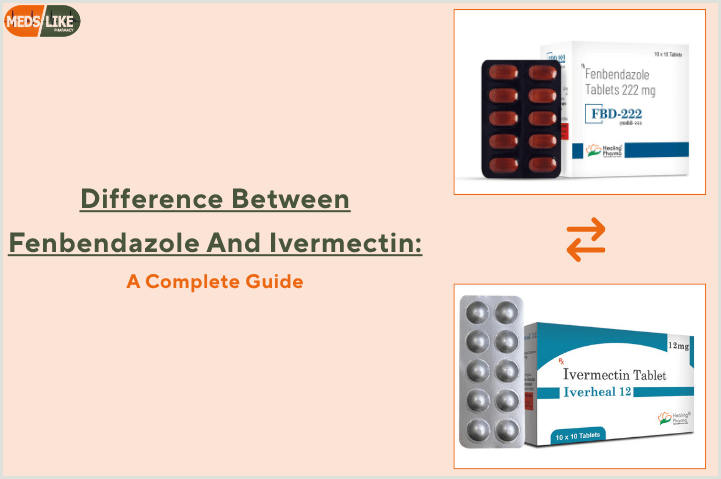
When it comes to antiparasitic medications, fenbendazole and ivermectin are two of the most widely discussed drugs. Both have been used for decades to treat parasitic infections in animals, and they have gained significant attention in recent years due to ongoing research and public interest. However, despite their shared purpose, these medications differ considerably in their chemical composition, mechanism of action, and approved uses. If you’re wondering about the difference between fenbendazole vs ivermectin, this comprehensive guide explains everything you need to know in simple and easy-to-understand language. Fenbendazole is a broad-spectrum antiparasitic medication that belongs to the benzimidazole class of drugs. It has been widely used in veterinary medicine to treat a variety of internal parasites in animals, including dogs, cats, horses, cattle, and other livestock. Fenbendazole and ivermectin tablets price can vary depending on the brand, dosage strength, manufacturer, and country of purchase. Fenbendazole works by blocking the parasite’s nutrient absorption process. Specifically, it disrupts the formation of microtubules within parasite cells, preventing them from utilizing glucose effectively. Without energy, the parasites eventually die. Common parasites treated with fenbendazole include: Fenbendazole is generally administered orally and is known for its broad-spectrum activity and favorable safety profile in veterinary applications. Ivermectin is another antiparasitic medication that belongs to a different drug class known as macrocyclic lactones. It was developed to treat a wide range of parasitic infections and has applications in both veterinary and human medicine. Unlike fenbendazole, ivermectin works by targeting parasites’ nervous systems. It binds to specific chloride channels in parasites, causing paralysis and eventual death. This mechanism makes ivermectin highly effective against many internal and external parasites. Common parasites treated with ivermectin include: Ivermectin can be administered orally, topically, or through injection, depending on the species and medical condition being treated. Although both medications are antiparasitic agents, several important differences separate them. Understanding these distinctions helps explain why veterinarians and healthcare professionals choose one medication over the other in specific situations. Fenbendazole works by targeting the cellular structure of parasites through its interaction with a protein called tubulin. By disrupting microtubule formation, fenbendazole prevents parasites from absorbing glucose and performing essential cellular functions. As a result, the parasites lose their energy source, their cellular processes shut down, and they gradually die. This unique mechanism of action makes fenbendazole highly effective against a wide range of intestinal worms and gastrointestinal parasites. Its ability to interfere with parasite growth and survival has made fenbendazole a widely used antiparasitic treatment in veterinary medicine. Ivermectin works through a different mechanism than many other antiparasitic medications. It targets the nervous and muscular systems of parasites by binding to glutamate-gated chloride channels, which are essential for their survival. This interaction increases the movement of chloride ions, leading to paralysis, loss of mobility, and ultimately the death of the parasite. Because of this unique mechanism of action, ivermectin is effective against a wide range of internal and external parasites. It is commonly used to treat conditions caused by intestinal worms, mites, lice, and other parasitic infections, making it one of the most widely recognized antiparasitic medications worldwide. One of the biggest differences between fenbendazole and ivermectin is the range of parasites they target. Fenbendazole is commonly used for: Ivermectin is commonly used for: Because their parasite coverage differs, these medications are not always interchangeable. The question of whether fenbendazole is stronger than ivermectin does not have a simple answer. The effectiveness of each medication depends on: For example, fenbendazole may be highly effective against gastrointestinal worms, while ivermectin may provide better results against mites or certain parasitic infections affecting the skin and nervous system. Rather than one being universally stronger, they are better viewed as medications designed for different purposes. In veterinary medicine, healthcare professionals sometimes use combination antiparasitic protocols that include both fenbendazole and ivermectin. This approach may broaden parasite coverage in certain circumstances. However, combining fenbendazole and ivermectin should only be done under the guidance of a qualified healthcare professional or veterinarian. Several factors must be carefully considered, including potential drug interactions, appropriate dosage requirements, and species-specific sensitivities. In some cases, certain animals may be more susceptible to adverse reactions or complications. Using combination antiparasitic therapies without proper professional supervision can increase the risk of side effects and may lead to ineffective or unsafe treatment outcomes. Fenbendazole is generally considered well-tolerated in veterinary use. However, some side effects may occur, including: Serious adverse reactions are relatively uncommon when used appropriately. Ivermectin may also cause side effects, particularly if used incorrectly or in sensitive species. Potential side effects include: Certain breeds of dogs, such as herding breeds with specific genetic mutations, may be particularly sensitive to ivermectin toxicity. Ivermectin has been approve for human medical uses in several countries for treating specific parasitic infections under professional supervision. Fenbendazole, however, is primarily a veterinary medication. While there has been public interest and ongoing research into additional applications, individuals should not use veterinary medications for self-treatment without guidance from a qualified healthcare professional. Medical decisions should always be based on evidence-based recommendations and professional advice. The choice between fenbendazole and ivermectin depends entirely on the specific parasite being treated and the recommendations of a healthcare provider or veterinarian. Can you take fenbendazole with chemotherapy is a question that should always be discussed with an oncologist before combining any treatments. Fenbendazole may be preferred when treating certain intestinal parasites and gastrointestinal infections. Ivermectin may be more appropriate for treating specific internal and external parasitic infections. Factors influencing the choice include: Fenbendazole and ivermectin are both important antiparasitic medications, but they work in very different ways. Fenbendazole primarily targets parasites by disrupting their energy metabolism, while ivermectin works by paralyzing parasites through effects on their nervous systems. Neither medication is inherently better than the other. Instead, each has specific strengths, uses, and applications depending on the parasite and clinical situation involved.
What Is Fenbendazole?
What Is Ivermectin?
Fenbendazole vs. Ivermectin: Key Differences
Feature
Fenbendazole
Ivermectin
Drug Class
Benzimidazole
Macrocyclic lactone
Primary Action
Disrupts parasite energy metabolism
Causes parasite paralysis
Main Use
Internal parasites
Internal and external parasites
Administration
Primarily oral
Oral, topical, or injectable
Human Medical Use
Limited approved uses
Approved for certain human infections
Veterinary Use
Extensive
Extensive
How Does Fenbendazole Work?
How Does Ivermectin Work?
Which Parasites Does Each Medication Treat?
Is Fenbendazole Stronger Than Ivermectin?
Can Fenbendazole and Ivermectin Be Used Together?
Side Effects of Fenbendazole
Side Effects of Ivermectin
Human Use of Fenbendazole and Ivermectin
Which One Should You Choose?
Final Thoughts
References:


