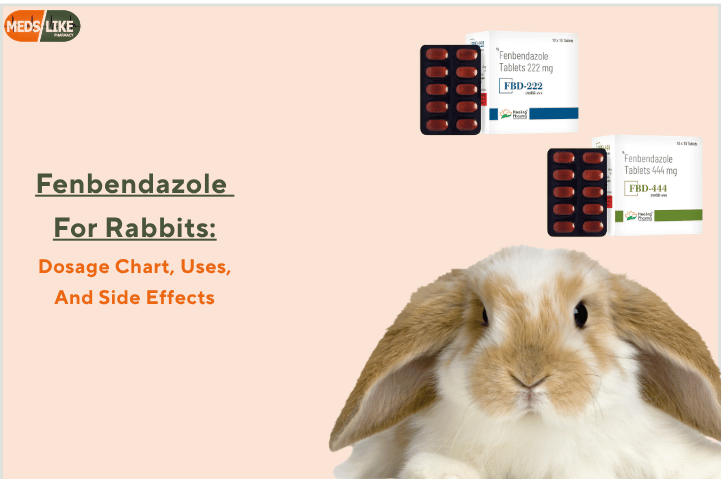
Fenbendazole is a widely used antiparasitic medication that helps treat a variety of internal parasites in rabbits. Veterinarians often prescribe it to control intestinal worms and, in many cases, as part of the treatment plan for Encephalitozoon cuniculi (E. cuniculi). This common parasite can affect a rabbit’s nervous system, kidneys, and eyes.
Although fenbendazole is generally considered safe, using the correct Fenbendazole dosage for rabbits and treatment schedule is essential. Giving too little may not eliminate the parasites, while excessive or prolonged use can increase the risk of side effects.
This guide explains everything rabbit owners should know about fenbendazole for rabbits, including dosage charts, common uses, possible side effects, and important safety precautions.
What Is Fenbendazole?
Fenbendazole is a benzimidazole antiparasitic medication. It works by preventing parasites from absorbing nutrients, eventually killing them and allowing the rabbit’s body to eliminate them naturally. The fenbendazole dosage calculator helps estimate the correct weight-based dose. Fenbendazole for rabbits helps treat certain internal parasites safely. Veterinarians commonly recommend fenbendazole because it has a wide safety margin when used correctly and is effective against several types of parasites.
Common Uses of Fenbendazole for Rabbits
Fenbendazole is prescribed for several conditions, including:
- Intestinal roundworms
- Pinworms
- Some gastrointestinal parasites
- Prevention and treatment of Encephalitozoon cuniculi (E. cuniculi)
- Controls parasites in rabbits exposed to infected companions.
It is important to remember that fenbendazole is not effective against every parasite. A veterinary examination and fecal testing can help determine the appropriate treatment.
Fenbendazole Dosage Chart for Rabbits
The exact dosage depends on your rabbit’s weight, health condition, and the reason for treatment. Always follow your veterinarian’s instructions.
| Rabbit Weight |
Typical Daily Dose (20 mg/kg) |
| 1 kg (2.2 lbs) |
20 mg |
| 1.5 kg (3.3 lbs) |
30 mg |
| 2 kg (4.4 lbs) |
40 mg |
| 2.5 kg (5.5 lbs) |
50 mg |
| 3 kg (6.6 lbs) |
60 mg |
| 3.5 kg (7.7 lbs) |
70 mg |
| 4 kg (8.8 lbs) |
80 mg |
| 4.5 kg (9.9 lbs) |
90 mg |
| 5 kg (11 lbs) |
100 mg |
Important: These values are general educational examples. Your veterinarian may prescribe a different dosage depending on your rabbit’s medical condition.
How Long Should Rabbits Take Fenbendazole?
Treatment length depends on the condition.
| Condition |
Typical Treatment Duration |
| Intestinal Worms |
3–5 days |
| E. cuniculi Treatment |
Around 28 days |
| Preventive Parasite Control |
As recommended by a veterinarian |
Never stop treatment early unless instructed by your veterinarian.
How to Give Fenbendazole to Rabbits
Fenbendazole is commonly available as:
- Oral paste
- Liquid suspension
- Granules
- Veterinary tablets
Many owners administer the medication directly into the rabbit’s mouth using an oral syringe. The fenbendazole dose for rabbits depends on body weight and condition. Helpful tips include:
- Give the medicine at the same time daily.
- Measure the dose carefully.
- Offer a favorite leafy green afterward as a reward.
- Ensure your rabbit continues eating normally after dosing.
Avoid mixing the medicine with large amounts of food.
Benefits of Fenbendazole for Rabbits
When prescribed correctly, fenbendazole offers several advantages.
Effective Parasite Control
It helps eliminate many intestinal parasites that can cause digestive problems, poor growth, and weight loss.
Treatment for E. cuniculi
Fenbendazole is commonly used to treat E. cuniculi, especially when diagnosed early.
Generally Well Tolerated
Most rabbits tolerate fenbendazole very well when used at veterinary-recommended doses.
Easy Administration
The medication is available in several formulations, making treatment easier for both owners and veterinarians.
Possible Side Effects
Most rabbits experience few or no side effects. However, some may develop mild reactions. Possible side effects include:
- Reduced appetite
- Mild diarrhea
- Temporary lethargy
- Soft stools
- Slight stomach discomfort
These side effects are usually temporary.
Rare but Serious Side Effects
Although uncommon, prolonged or inappropriate use has occasionally been associated with more serious complications, including:
- Bone marrow suppression
- Low white blood cell count
- Severe weakness
- Increased risk of infection
These reactions are rare and typically associated with long-term or excessive dosing. Contact your veterinarian immediately if your rabbit becomes extremely weak, stops eating, develops pale gums, or appears seriously ill.
When Should Fenbendazole Not Be Used?
Fenbendazole should only be used under veterinary guidance if your rabbit:
- Is seriously ill
- Has severe liver disease
- Is receiving medications that may interact with treatment
- Has experienced previous allergic reactions to benzimidazole medications
Your veterinarian will determine whether fenbendazole is appropriate.
Can Baby Rabbits Take Fenbendazole?
Young rabbits may receive fenbendazole when medically necessary, but dosing must be calculated carefully according to body weight. The Fenbendazole for rabbits dosage chart provides weight-based dosing information. Young rabbits are more sensitive to medications.
Can Pregnant Rabbits Receive Fenbendazole?
Consult your veterinarian before using fenbendazole during pregnancy. While it has been used in some situations, treatment decisions should balance the potential benefits against possible risks.
Monitoring Your Rabbit During Treatment
While your rabbit is receiving fenbendazole, monitor for:
- Normal appetite
- Healthy droppings
- Normal water intake
- Good activity level
- Improvement in symptoms
If your rabbit stops eating for several hours or appears unwell, contact your veterinarian promptly. Is fenbendazole safe for rabbits when used at the prescribed dosage? Rabbits can develop gastrointestinal stasis quickly, making early intervention important.
Final Thoughts
Fenbendazole is one of the most commonly used antiparasitic medications for rabbits because it is effective, affordable, and generally well-tolerated. Does fenbendazole expire after its printed expiration date? It plays an important role in treating intestinal worms and managing Encephalitozoon cuniculi when prescribed appropriately.
Use the correct dose based on your rabbit’s body weight. While side effects are uncommon, monitoring your rabbit throughout treatment helps ensure any problems are recognized early.
FAQ
Q: Is fenbendazole safe for rabbits?
Yes. When prescribed by a veterinarian and given at the correct dosage, fenbendazole is generally considered safe for most rabbits.
Q: Can fenbendazole treat E. cuniculi?
Yes. Fenbendazole is frequently included in treatment plans for rabbits diagnosed with E. cuniculi, often alongside supportive care and other medications.
Q: What if I miss a dose?
Take the missed dose as soon as you remember. Never double the next dose.
Can rabbits take fenbendazole with other medicines?
In many cases, yes. However, your veterinarian should review all medications and supplements your rabbit is receiving before treatment begins.
References:
 +1 305 709 4119 (Click to chat)