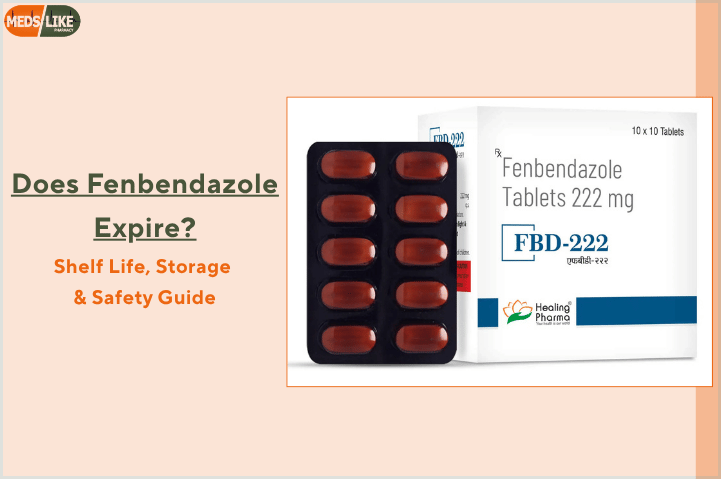
Fenbendazole is a widely used antiparasitic medication that belongs to the benzimidazole class of drugs. It is commonly used in veterinary medicine to treat various intestinal parasites in animals, including dogs, cats, horses, cattle, and other livestock. As with any medication, many users often ask: Does Fenbendazole expire? Understanding its shelf life, storage requirements, and safety considerations is essential to ensure effectiveness and avoid unnecessary risks.
In this guide, we’ll explore everything you need to know about Fenbendazole expiration, proper storage practices, and what happens if the product is used beyond its expiration date.
What Is Fenbendazole?
Fenbendazole is an anthelmintic (deworming) medication designed to eliminate parasites such as:
- Roundworms
- Hookworms
- Whipworms
- Certain tapeworms
- Some lungworms
It works by disrupting the parasite’s ability to absorb nutrients, eventually causing its death. Due to its effectiveness, Fenbendazole has become one of the most commonly used deworming treatments in veterinary medicine. Will Fenbendazole Kill Tapeworms is a common question among pet owners looking for an effective treatment against tapeworm infections.
Does Fenbendazole Expire?
Yes, Fenbendazole does expire. Like most pharmaceutical and veterinary products, Fenbendazole has a specific expiration date indicating the period during which the product is expected to remain stable, safe, and effective when stored according to the manufacturer’s instructions.
The expiration date is typically printed on the packaging, bottle, pouch, or container. After this date, the manufacturer can no longer guarantee the product’s potency or quality.
Why Does Fenbendazole Have an Expiration Date?
The expiration date is determined through stability testing conducted by manufacturers. These tests evaluate how long the medication maintains its:
| Quality Factor |
Importance |
| Potency |
Ensures the active ingredient remains effective |
| Safety |
Confirms no harmful degradation occurs |
| Stability |
Maintains proper chemical structure |
| Performance |
Delivers expected treatment results |
Over time, environmental factors such as heat, humidity, air exposure, and light can affect the chemical composition of Fenbendazole.
What Is the Typical Shelf Life of Fenbendazole?
The shelf life of Fenbendazole varies depending on the manufacturer, formulation, and packaging.
General Shelf-Life Estimates
| Product Type |
Typical Shelf Life |
| Powder |
2–5 years |
| Granules |
2–5 years |
| Liquid Suspension |
1–3 years |
| Paste Formulations |
2–3 years |
| Tablets |
2–5 years |
Always refer to the product label for the exact expiration date, as formulations can differ significantly between brands.
Can You Use Expired Fenbendazole?
Using expired Fenbendazole is generally not recommended. Although some medications may retain partial potency after expiration, no guarantee expired Fenbendazole will perform as intended. Reduced effectiveness may lead to:
- Incomplete parasite removal
- Persistent infections
- Need for retreatment
- Increased treatment costs
- Potential development of parasite resistance
For optimal results, it is best to use Fenbendazole before the expiration date. Fenbendazole Dosage Calculator can help estimate the appropriate dosage based on body weight and treatment requirements.
Does Expired Fenbendazole Become Dangerous?
In most cases, expired Fenbendazole is not known to become highly toxic immediately after expiration. However, there are important concerns:
Potential Risks
- Reduced Effectiveness
- The active ingredient may gradually lose potency.
- Unpredictable Performance
- Treatment outcomes may become less reliable.
- Product Degradation
- Physical or chemical changes may occur over time.
- Contamination Risk
- Improperly stored products may become contaminated.
Because there is no way to determine potency without laboratory testing, replacing expired products accurately is the safest approach.
How to Check If Fenbendazole Has Gone Bad
Besides checking the expiration date, inspect the product for visible signs of deterioration.
Signs of Product Degradation
For Powders and Granules
- Clumping
- Moisture damage
- Unusual discoloration
- Strange odor
Liquid Formulations
- Separation that does not remix
- Cloudiness
- Sediment formation
- Color changes
For Tablets
- Crumbling
- Cracks
- Discoloration
- Unusual smell
If any of these signs are present, the product should not be used.
Proper Storage of Fenbendazole
Proper storage plays a major role in preserving Fenbendazole’s effectiveness throughout its shelf life.
Recommended Storage Conditions
| Storage Factor |
Recommendation |
| Temperature |
Store at room temperature |
| Humidity |
Keep dry |
| Light Exposure |
Avoid direct sunlight |
| Container |
Keep in original packaging |
| Moisture |
Protect from water |
| Ventilation |
Store in a cool, well-ventilated area |
Always follow the manufacturer’s specific storage instructions found on the product label.
Common Storage Mistakes to Avoid
Many medications lose effectiveness due to improper storage rather than age alone.
Avoid These Mistakes
- Storing in Bathrooms
Bathrooms often have high humidity levels that can damage medications.
- Leaving Products in Vehicles
Cars can reach extremely high temperatures, accelerating degradation.
- Exposure to Direct Sunlight
Ultraviolet light may affect product stability.
- Improper Container Transfer
Moving Fenbendazole to unmarked containers may expose it to moisture and contamination.
- Leaving Containers Open
Air and humidity can shorten product lifespan.
Proper storage helps maximize product quality until the expiration date.
Does Unopened Fenbendazole Last Longer?
Unopened Fenbendazole generally maintains its stability better than opened products because it remains protected from:
- Air exposure
- Moisture
- Temperature fluctuations
- Contamination
However, even unopened products should not be used beyond the manufacturer’s expiration date unless specifically advised by a qualified professional. Fenbendazole vs Praziquantel is a popular comparison for understanding which deworming medication may be more effective for specific parasite infections.
What Should You Do With Expired Fenbendazole?
When does fenbendazole expire? If you discover expired Fenbendazole in your medicine cabinet or veterinary supply area, consider the following steps:
Safe Disposal Tips
- Follow local disposal regulations.
- Consult your veterinarian regarding disposal recommendations.
- Use approved medication take-back programs when available.
- Keep expired products away from children and animals.
Avoid flushing medications down toilets or drains unless specifically instructed by local authorities.
How to Maximize Fenbendazole Shelf Life
To maximize the shelf life and effectiveness of Fenbendazole, store it in a cool, dry place away from direct sunlight, heat, and humidity. Always keep the product in its original packaging, seal the container tightly after each use, and regularly check the expiration date. Purchasing only the amount you can use before it expires can also help ensure optimal product quality and performance.
Final Thoughts
So, does Fenbendazole expire? The answer is yes. Like all medications, Fenbendazole has a defined shelf life and expiration date established through stability testing. While expired Fenbendazole may not immediately become harmful, its effectiveness can decrease over time, making treatment less reliable.
Proper storage is essential for preserving potency and ensuring successful parasite control. Always check expiration dates, inspect products for signs of degradation, and replace expired medication when necessary. Following these guidelines helps ensure that Fenbendazole remains safe and effective when it is needed most.
FAQs
Q: How long does Fenbendazole last before it expires?
Most Fenbendazole products have a shelf life ranging from 2 to 5 years, depending on the formulation and manufacturer.
Q: Is expired Fenbendazole safe to use?
Expired Fenbendazole may not be as effective as intended.
Q: Can heat affect Fenbendazole’s shelf life?
Yes. Excessive heat can accelerate chemical degradation and reduce product effectiveness.
Q: How should Fenbendazole be stored?
Use products before they expire. Store products in a cool, dry place away from sunlight, moisture, and heat.
Q: What are the signs that Fenbendazole has gone bad?
Common signs include discoloration, unusual odor, clumping, separation in liquids, crumbling tablets, or visible contamination.
References:
 +1 305 709 4119 (Click to chat)