 +1 305 709 4119 (Click to chat)


Can Amlodipine Cause Hair Loss?

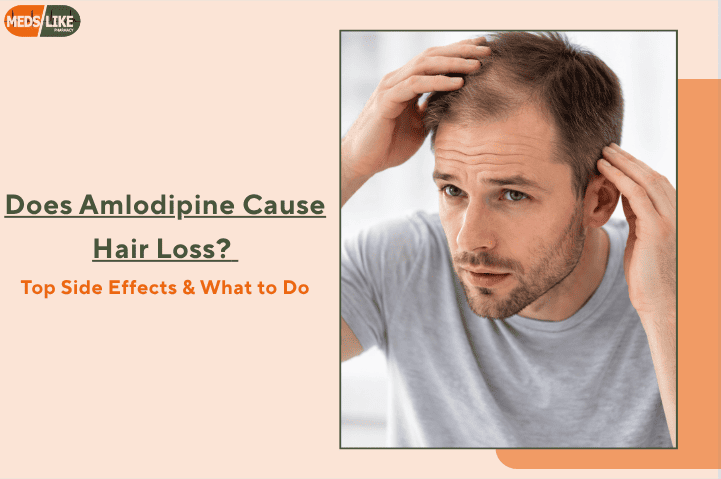
Hair loss is a concern that affects millions of people worldwide, often leading to stress and reduced confidence. While genetics and aging are common causes, many people don’t realize that certain medications can also contribute to hair thinning. One such drug is Amlodipine, widely prescribed for managing High Blood Pressure. This raises an important question: Does amlodipine besylate cause hair loss? In this article, we’ll explore the connection, understand how it may affect your hair, and discuss ways to manage or prevent this side effect. Hair loss, medically known as telogen effluvium, often occurs when the hair growth cycle is disrupted. Normally, hair goes through three stages: growth (anagen), transition (catagen), and resting (telogen). When a large number of hair follicles prematurely enter the resting phase, excessive shedding occurs. Certain medications can trigger this imbalance by affecting hormone levels, blood circulation, or nutrient absorption. Although not very common, drug-induced hair loss is usually temporary and reversible once the underlying cause is addressed. Choosing the right hair growth vitamins for men can support stronger and healthier hair over time. Amlodipine belongs to a class of calcium channel blockers that relax blood vessels, improve circulation, and reduce pressure on the heart. Hair loss is usually caused by multiple factors rather than a single reason. Doctors commonly prescribe it to treat conditions such as high blood pressure (hypertension), chest pain (angina), and certain heart-related conditions, helping improve blood flow and reduce strain on the heart. While Amlodipine is generally well-tolerated, like all medications, it may cause side effects in some individuals. These can include swelling, dizziness, fatigue—and in rare cases—hair thinning. Discussions around amlodipine side effects hair loss are growing among patients online. Users of Norvasc often ask, Can Norvasc cause hair loss, due to similar concerns. To understand how medication might affect hair, it’s essential to understand how hair grows. Each hair follicle operates independently, cycling through growth and shedding phases. Healthy hair growth depends on: Any disruption in these factors can weaken hair follicles, leading to increased shedding or slower regrowth. Hair loss is not a widely reported side effect of Amlodipine, but some users have experienced it. Concerns about amlodipine hair loss often arise after prolonged use. The possible reasons include: Amlodipine affects blood vessel dilation, which may indirectly influence how nutrients and oxygen reach hair follicles. In some individuals, the medication may push hair follicles into the resting phase earlier than usual, leading to temporary shedding. A common concern is will amlodipine cause hair loss before starting the medication. Every person reacts differently to medications. What causes side effects in one person may not affect another at all. It’s important to note that more research is needed to establish a direct link, but anecdotal reports suggest a possible connection. Healthy hair follicles rely on a stable internal environment. Any changes in circulation or cellular activity can impact their function. Although Amlodipine improves overall blood flow, it may alter microcirculation in ways that affect the scalp differently. In some cases, this could weaken follicles or disrupt their growth cycle. Additionally, side effects like swelling or fluid retention may indirectly influence scalp health, although this is not common. There are several options available for hair fall for men treatment, including medications and lifestyle changes. Another common question is does norvasc cause hair loss in long-term use. Comparisons are also made with other drugs like olmesartan hair loss to assess risks. Hair loss is usually caused by multiple factors, not just one. Even if you’re taking Amlodipine, other elements may play a bigger role: Understanding these factors helps determine whether Amlodipine is the real cause or just a contributing factor. Women may specifically ask, does amlodipine cause hair loss in women, to understand gender-specific effects. If you suspect hair loss due to medication, don’t stop taking it abruptly. Instead, consult your doctor. They may: Maintaining a healthy lifestyle can also minimize hair loss risks. Some reports mention amlodipine besylate hair loss as a possible but rare side effect. Some users incorrectly phrase it as do amlodipine cause hair loss, but the concern remains valid. Lifestyle changes can reduce hair loss: Vitamins such as biotin, vitamin D, and iron can support healthy hair growth, especially if you have deficiencies. Patients often question does amlodipine cause hair loss or thinning when noticing reduced hair density. Regular scalp massage improves blood circulation and stimulates hair follicles. Using natural oils like coconut or castor oil can enhance the effect. These methods are safe, affordable, and can complement medical treatments. For more noticeable hair loss, dermatologists often recommend Minoxidil. Many people ask if can amlodipine besylate cause hair loss as part of its side effects. This topical treatment works by: Many people search for minoxidil for hair growth results to understand how effective this treatment is for regrowing hair. Minoxidil is available over the counter and is widely used for both males and females. However, consistent use is required for visible results. So, can Amlodipine cause hair loss? The answer is possibly, but rarely. While some individuals report hair thinning, it is not a common or well-established side effect. Discussions around norvasc and hair loss highlight similar side effect concerns among users. If you notice unusual hair loss after starting Amlodipine, it’s important to consult your doctor rather than discontinuing the medication on your own. In many cases, the condition is temporary and manageable with the right approach. Reports suggest that amlodipine cause hair loss in rare cases, although more research is needed. Q: Is hair loss from Amlodipine permanent? No, in most cases it is temporary and improves after adjusting medication or treatment. Q: How long does it take for hair to grow back? Hair regrowth usually starts within 3–6 months once the cause is addressed. Q: Should I stop taking Amlodipine if I notice hair loss? No, always consult your doctor before stopping any prescribed medication. Q: Can I use Minoxidil with Amlodipine? Yes, but it’s best to consult a healthcare professional before combining treatments. Q: Are there natural ways to reduce hair loss? Yes, maintaining a balanced diet, reducing stress, and regular scalp care can help significantly.
Understanding Hair Loss and Medicine Side Effects
The Role of Amlodipine in Blood Pressure Treatment
Hair Growth Cycle Explained: The Science Behind Hair Loss
Does Amlodipine Cause Hair Loss? Here’s How It Happens
Changes in Blood Flow
Triggering Telogen Effluvium
Individual Sensitivity
Amlodipine’s Impact on Hair Follicles and Scalp Health
Hair Loss Causes: The Role of Genetics and Lifestyle Explained
Effective Hair Loss Treatments and Prevention Strategies
Hair Growth Supplements and Scalp Massage: Do They Really Work?
Supplements
Scalp Massage
Advanced Treatments for Hair Loss
Conclusion
FAQs
References:


