 +1 305 709 4119 (Click to chat)


Can I Take 200mg Sildenafil? Risks, Dosage, and Safety

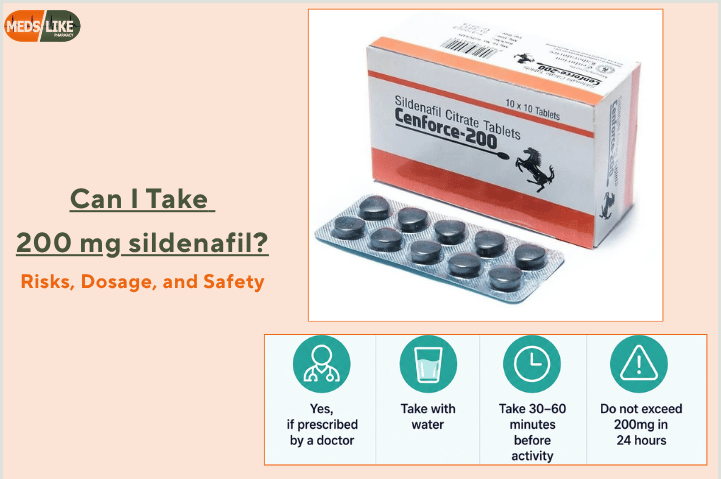
Sildenafil is commonly used to treat ED. It boosts penile blood flow during sexual stimulation. While sildenafil is available in strengths up to 100 mg for ED, some people may wonder whether taking 200 mg of sildenafil could provide stronger or longer-lasting results. The short answer is that 200 mg is above the maximum recommended dose for erectile dysfunction. For most adults, the usual starting dose is 50 mg, which may be adjusted to 25 mg or 100 mg depending on effectiveness and tolerability. The recommended maximum is 100 mg in 24 hours. Taking more than the recommended amount does not necessarily improve sexual performance and may increase the risk of side effects. Sildenafil is a PDE5 inhibitor for ED. For erectile dysfunction, it temporarily increases blood flow to the penis when a person is sexually aroused. It does not cause erections automatically or increase desire. Viagra results photos may show changes after using sildenafil, but individual results can vary. Sildenafil is also used for pulmonary hypertension, but dosing for that condition is different. Therefore, the dose should always be based on the condition being treated and the prescription provided by a healthcare professional. For erectile dysfunction, 200 mg is not a recommended dose. The standard recommended starting dose is 50 mg taken as needed, usually about one hour before sexual activity. Depending on the response and side effects, a healthcare professional may lower the dose to 25 mg or increase it to 100 mg. The maximum recommended dose is 100 mg once per day. Taking 200 mg means taking twice the recommended maximum dose. You should not increase your 200mg sildenafil dose on your own, even if a lower dose does not seem effective. Individual dosing can vary because age, other medications, kidney or liver problems, and overall health can affect how 200mg sildenafil works. Taking more than 200mg sildenafil than recommended can increase the amount of medicine in your body without necessarily producing better results. Higher doses may make common side effects more noticeable. These can include headache, flushing, indigestion, dizziness, nasal congestion, and visual changes. The NHS also advises speaking with a doctor if you have taken too much sildenafil and are concerned about symptoms. A higher dose can also cause a greater drop in blood pressure. This is particularly important for people taking medicines that lower blood pressure or medicines known to interact with sildenafil. Several treatment options may be considered when severe ED does not improve with standard medications. Non-surgical options, such as penile injections or vacuum erection devices, may help some men achieve and maintain an erection. In more severe cases, a penile implant may be considered when other treatments are ineffective. Although serious reactions are uncommon, sildenafil can cause important complications. One major concern is a significant drop in blood pressure when sildenafil is combined with nitrate medicines. Nitrates are often prescribed for chest pain, and combining them with sildenafil is contraindicated because the combination can cause a dangerous fall in blood pressure. Sildenafil can also interact with alpha-blockers and certain other medicines. People with significant kidney or liver problems may require a lower starting dose because the medicine can remain in the body longer. Seek urgent medical care for symptoms such as chest pain, fainting, sudden vision loss, sudden hearing loss, or an erection that is painful or lasts longer than four hours. For ED, sildenafil generally begins working within about 30 to 60 minutes, although individual responses vary. Take sildenafil up to 4 hours before sex. If 50 mg does not provide the desired effect, the safest approach is to discuss the response with a healthcare professional rather than doubling the dose yourself. Take the dose prescribed by your doctor or pharmacist. Take sildenafil only once daily. For many people, taking sildenafil around one hour before sexual activity works well. Food may affect how quickly it starts working, particularly after a heavy meal. Sexual stimulation is also necessary for sildenafil to produce an erection. Avoid taking additional tablets because you feel the first dose has not worked yet. Give the medicine adequate time to work and discuss persistent problems with your healthcare professional. If you accidentally take 200 mg of sildenafil, do not take another dose. Monitor how you feel and contact a healthcare professional or poison information service for advice, particularly if you develop significant dizziness, fainting, vision changes, severe headache, or other concerning symptoms. Taking too much sildenafil can cause unpleasant side effects, including headache, dizziness, indigestion, nasal congestion, and visual changes. If you develop severe symptoms, seek urgent medical attention. Speak with a healthcare professional if sildenafil does not work at the prescribed dose or if you regularly experience side effects. Soursop bitters benefits for men may be discussed alongside sildenafil for erectile health, but they are not proven to work the same way. You should also discuss sildenafil use if you take heart or blood-pressure medicines, especially nitrates or alpha-blockers, or if you have kidney or liver problems. A healthcare professional can determine whether sildenafil is appropriate and whether your dose needs adjustment. Taking 200 mg of sildenafil for erectile dysfunction is above the recommended maximum dose of 100 mg. A higher dose does not necessarily produce better results and may increase the risk of side effects and potentially serious complications. If 50 mg or 100 mg is not providing adequate results, do not increase the dose on your own. Instead, speak with a healthcare professional about your response, other medications, underlying conditions, and alternative treatment options. Using 200 mg sildenafil at the appropriate dose is generally safer and more effective than taking extra medication without medical guidance. Disclaimer: This article is for general educational purposes and is not a substitute for personalized medical advice. Always follow the instructions provided with your prescription and consult a qualified healthcare professional about your individual sildenafil dose.
What Is Sildenafil Used For?
Can You Take 200mg of Sildenafil?
Sildenafil Dosage at a Glance
What to Avoid
Why It Matters
What to Do Instead
Nitrate medications
Can cause a dangerous drop in blood pressure
Tell your provider about all heart medications
Taking more than prescribed
May increase side effects
Follow your prescribed dose
Combining ED medicines
May increase the risk of side effects
Use only treatments approved by your provider
Heavy alcohol
May increase dizziness and lower blood pressure.
Avoid excessive alcohol
Ignoring serious symptoms
Some reactions may require urgent care
Seek medical attention for severe or unusual symptoms
Why Is 200mg Sildenafil Risky?
Alternative Options for Severe ED
Other ED Medications
Serious Risks to Know About
Does More Sildenafil Work Better?
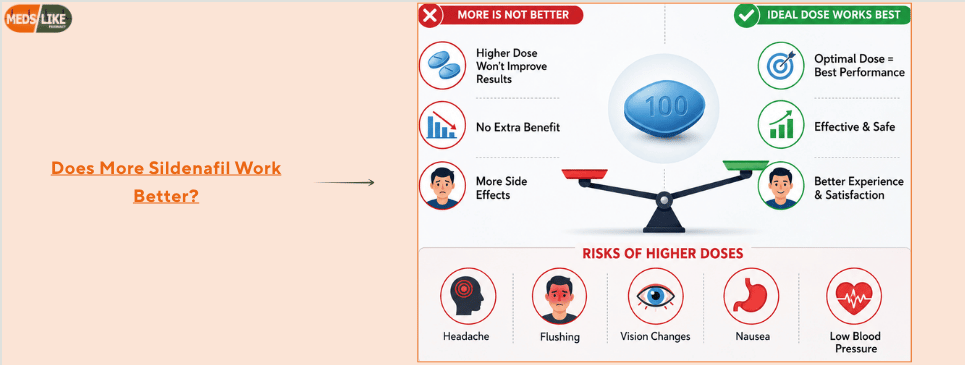 Not necessarily. Sildenafil works within a specific dose range, and increasing the dose does not guarantee a stronger erection or better sexual performance. Effectiveness can also depend on sexual stimulation, timing, food intake, underlying health conditions, and other medicines.
How to Take Sildenafil More Safely
What If You Accidentally Take 200mg?
When Should You Talk to a Doctor?
Final Thoughts
References:


