 +1 305 709 4119 (Click to chat)


Can Belly Fat Cause Erectile Dysfunction?

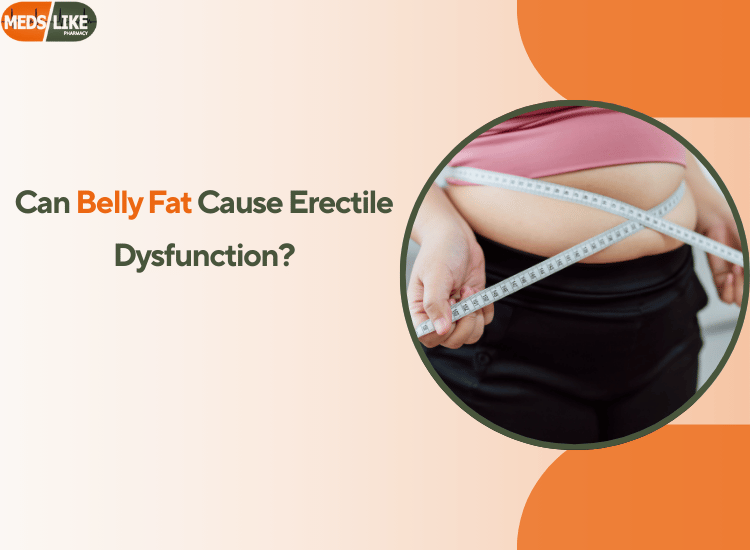
Belly fat is more than just an aesthetic concern—it can be a warning sign of deeper health problems. While many people associate excess abdominal fat with conditions like diabetes, high blood pressure, and heart disease, few realize that it may also affect sexual health. In fact, there is growing evidence that carrying too much belly fat can contribute to erectile dysfunction (ED).
Erectile dysfunction, defined as the persistent inability to get or maintain an erection firm enough for sex, affects millions of men worldwide. Occasional difficulties are common and may be due to stress or fatigue, but chronic ED is usually linked to underlying health issues. One of the biggest contributors to these issues is visceral fat—the deep belly fat that surrounds your organs.
The Link Between Belly Fat and ED
Belly fat is not just stored energy; it is metabolically active tissue that releases hormones and inflammatory chemicals. When you carry excess fat around your abdomen, several things happen inside your body that can directly affect sexual performance.
-
Hormonal Changes:
Belly fat is known to lower testosterone levels, the primary male sex hormone responsible for libido and erectile function. Fat tissue has an enzyme called aromatase that turns testosterone into estrogen. As belly fat increases, testosterone drops and estrogen rises, leading to reduced sexual desire and difficulty achieving erections. -
Poor Blood Flow:
Erections depend on healthy blood circulation. Belly fat is strongly associated with atherosclerosis, a condition where plaque builds up inside the arteries, narrowing them and reducing blood flow. If blood cannot flow freely to the penis, getting or maintaining an erection becomes difficult. -
Insulin Resistance and Diabetes:
Central obesity increases the risk of insulin resistance, which can develop into type 2 diabetes. Diabetes is a major cause of ED because it damages blood vessels and nerves necessary for proper erectile function. -
Inflammation:
Excess visceral fat releases inflammatory cytokines, which damage blood vessels and interfere with nitric oxide production—a key chemical that helps the penis relax and fill with blood during arousal.
Psychological Impact of Belly Fat
The connection between belly fat and ED isn’t purely physical. Men who carry extra weight around their midsection often experience lower self-esteem and body image concerns. This psychological stress can create performance anxiety, which further worsens erectile dysfunction. The mind-body connection is strong, and feeling unattractive or insecure can reduce sexual Health.
The Vicious Cycle
Belly fat and ED often create a vicious cycle. Low testosterone caused by excess fat leads to decreased muscle mass and slower metabolism, making it harder to lose weight. The resulting fatigue, poor mood, and low libido can make men less likely to exercise or seek intimacy, worsening both weight gain and sexual dysfunction over time.
Can Losing Belly Fat Improve Erectile Function?
The good news is that the effects of belly fat on ED are often reversible. Studies have shown that weight loss—especially around the abdomen—can improve testosterone levels, blood flow, and erectile function.
-
Exercise: Regular physical activity, including both cardio and strength training, helps reduce visceral fat and improve circulation. Even brisk walking 30 minutes a day can make a difference.
-
Diet: A balanced diet rich in whole foods, vegetables, lean protein, and healthy fats supports hormone balance and cardiovascular health. Avoid excessive sugar, processed foods, and trans fats.
-
Sleep: Poor sleep increases cortisol (the stress hormone), which promotes fat storage and disrupts testosterone production.
-
Stress Management: Chronic stress raises blood pressure and worsens inflammation, both of which harm erectile function. Mindfulness practices, yoga, and breathing exercises can help.
Medical Treatments and Professional Help
While lifestyle changes are the foundation for improving ED related to belly fat, some men may need additional support. Doctors can evaluate hormone levels, blood sugar, and cardiovascular health to determine the root cause. Treatment options may include:
-
Testosterone Replacement Therapy (TRT): For men with low testosterone, TRT can restore hormone levels and improve libido and energy.
-
Medications: PDE5 inhibitors such as Tadalafil (Cialis) or Sildenafil (Viagra) can improve blood flow and help achieve erections.
-
Weight Loss Programs: Medically supervised weight loss can provide a structured approach for those struggling to lose belly fat on their own.
Prevention Is Key
The best approach is to prevent belly fat from becoming a problem in the first place. Maintaining a healthy weight through proper nutrition, regular physical activity, and stress management supports overall well-being and sexual health. Even losing as little as 5–10% of body weight can significantly improve erectile function.
When to See a Doctor
If you are experiencing persistent ED and carry excess belly fat, it is important not to ignore the problem. Erectile dysfunction can be an early warning sign of cardiovascular disease. A doctor can perform a thorough evaluation, including blood tests and cardiovascular screening, to rule out serious conditions and provide guidance on treatment.
Final Thoughts
Belly fat is more than a cosmetic concern—it is a health issue that can affect hormones, circulation, and sexual performance. The connection between belly fat and erectile dysfunction is clear: too much fat around the abdomen can lower testosterone, impair blood flow, and raise the risk of conditions like diabetes that directly cause ED.
The positive news is that making lifestyle changes such as losing weight, eating a healthy diet, exercising regularly, and managing stress can improve both your waistline and your erections. By addressing belly fat, you not only improve your sexual health but also reduce your risk of heart disease, diabetes, and other chronic conditions.


