 +1 305 709 4119 (Click to chat)


Can You Get Pink Eye from a Fart: Facts vs Myth Explained

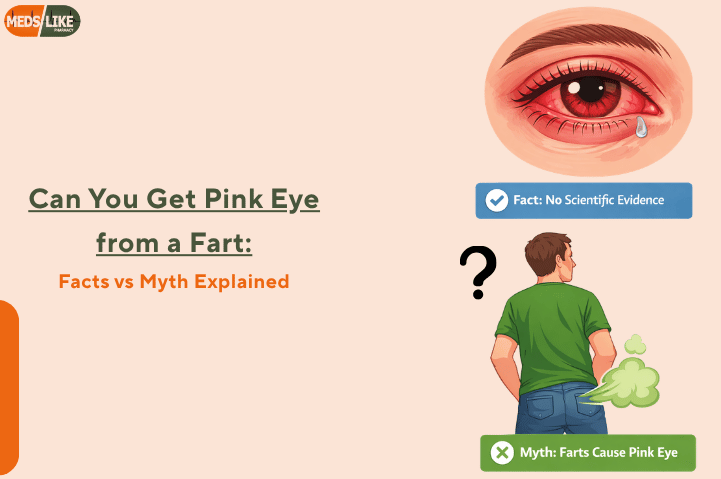
Pink eye (conjunctivitis) is a common condition where the conjunctiva of the eye becomes inflamed. This thin, transparent membrane covers the white part of the eye and lines the inside of the eyelids. When irritated or infected, it can make the eye appear pink or red and may cause discomfort, itching, or discharge. Although pink eye is usually mild, it can be highly contagious depending on its cause. Understanding its symptoms, transmission, and prevention methods is essential for proper management and to avoid spreading the infection to others. A common question circulating online is: “Can you get pink eye from a fart?” Despite its popularity, there is no scientific or medical evidence supporting this claim. Healthcare professionals consistently dismiss it as a myth. Conjunctivitis is not a single disease but a group of conditions with different causes. Can a fart cause pink eye is a common question, but medically, there is no evidence that gas from flatulence can cause bacteria eye infection like conjunctivitis. Identifying the type is important for proper treatment. Viral conjunctivitis is the most common form and is typically caused by the same viruses responsible for the common cold or flu. It spreads easily in crowded environments such as schools, offices, and daycare centers. Symptoms include: This type usually resolves on its own within one to two weeks. Since it is viral, antibiotics are ineffective, and treatment focuses on symptom relief. Pink eye faeces concerns are usually linked to poor hygiene, as actual risk comes from bacterial contamination through direct contact, not airborne gas. Bacterial conjunctivitis is caused by bacteria like Staphylococcus aureus, Streptococcus pneumoniae, or Haemophilus influenzae. It may affect one or both eyes and often produces a thick yellow or green discharge that can cause the eyelids to stick together, especially after sleep. Key features: Unlike viral pink eye, this type typically responds well to antibiotic eye drops for infection or ointments, which can shorten the duration of the infection and reduce its spread. Pink eye feces transmission can occur only through direct contact with contaminated hands, not through fart-related exposure. Allergic conjunctivitis occurs when the eyes react to allergens such as pollen, dust mites, mold, or pet dander. It is not contagious and may occur seasonally. Can you get a pink eye from a fart is a viral myth, and doctors confirm that flatulence cannot transmit conjunctivitis. Common symptoms: Management includes antihistamines, allergy eye drops, and minimizing exposure to allergens. Can you get a pink eye from farts is not supported by science, as pink eye spreads mainly through hand-to-eye contact. Viral and bacterial conjunctivitis are highly contagious and primarily spread through direct or indirect contact. The infection often occurs when a person touches contaminated surfaces and then rubs their eyes, allowing viruses or bacteria to enter. Common transmission routes include touching the eyes with unwashed hands, sharing personal items such as towels, pillowcases, or cosmetics, using contaminated contact lenses, and having close contact with an infected individual. In some cases, exposure to respiratory droplets from coughing or sneezing can also contribute to the spread. Contrary to popular belief, pink eye is not typically airborne; instead, it spreads mainly through hand-to-eye contact and the sharing of personal items. One of the most persistent internet myths suggests that flatulence can cause pink eye. This idea gained traction after a humorous reference in the movie Knocked Up, which jokingly implied that “farting on a pillow” could lead to conjunctivitis. Medical science clearly shows that flatulence does not cause pink eye. Here’s why: In an extremely unlikely scenario—such as direct exposure without clothing and in very close proximity—minute amounts of bacteria could be present. However, the risk of developing pink eye from such exposure is negligible. The real concern is poor hygiene, particularly when fecal bacteria are transferred from the hands to the eyes after inadequate handwashing. Flatulence is non-infectious, while fecal matter can spread bacteria through direct contact; however, the risk of developing pink eye from a fart is extremely low and medically unsupported. Many people confuse pink eye with a stye, but these are distinct conditions requiring different treatments. A stye (hordeolum) is a painful, red lump on the eyelid caused by a blocked oil gland or bacterial infection. It is usually localized and less contagious than conjunctivitis. Although rare, a stye can occasionally lead to conjunctivitis if the infection spreads, but the two conditions are generally separate. Instead of worrying about myths, it is more important to understand the genuine risk factors associated with conjunctivitis: Focusing on these factors significantly reduces the likelihood of infection. Prevention primarily involves maintaining good hygiene and avoiding exposure to infectious agents. Can you get pink eye from farting in a pillow is a popular internet myth, but there is no medical evidence supporting this claim. Practicing good hygiene—such as frequent handwashing, avoiding eye contact with unclean hands, not sharing personal items, properly maintaining contact lenses, and regularly replacing pillowcases and towels—can significantly reduce the risk of developing or spreading pink eye. To reduce the spread of pink eye at home, avoid sharing bedding and personal items, disinfect frequently touched surfaces, and ensure that children remain home from school until a healthcare professional has evaluated them. To reduce the risk of allergic conjunctivitis, keep windows closed during pollen seasons, use air purifiers and air conditioning to maintain clean indoor air, take antihistamines as recommended, and apply prescribed best allergy eye drops for symptom relief. Not every red eye is a sign of conjunctivitis. Several other eye conditions can produce similar symptoms, making an accurate diagnosis essential. These include dry eye syndrome, which causes irritation and a gritty sensation; blepharitis, an inflammation of the eyelids; corneal abrasions, which are scratches on the surface of the eye; subconjunctival hemorrhage, characterized by a visible burst blood vessel; and glaucoma, a serious condition that requires urgent medical attention. It is important to seek medical care if you experience severe eye pain, vision changes, sensitivity to light, or symptoms that persist for more than a few days, as these may indicate a more serious underlying issue. Treatment depends on the underlying cause: The conclusion is clear: you cannot get pink eye from a fart. Conjunctivitis is caused by viruses, bacteria, or allergens—not by the gases released during flatulence. While the myth persists online, medical science firmly rejects this claim. Can you get pink eye from farting on a pillow is false, since gases do not carry infectious bacteria capable of causing conjunctivitis. The only theoretical link between fecal bacteria and pink eye involves poor hygiene, particularly when contaminated hands come into contact with the eyes. Therefore, maintaining proper handwashing and cleanliness is far more important than worrying about flatulence.
What Is Pink Eye?
Types of Pink Eye
Viral Conjunctivitis
Bacterial Conjunctivitis
Allergic Conjunctivitis
How Is Pink Eye Spread?
How Can You Get Pink Eye From a Fart?
Why This Myth Is False
Can Farts Ever Transmit Germs?
Stye vs. Pink Eye: Understanding the Difference
What Is a Stye?
Key Differences
Feature
Pink Eye (Conjunctivitis)
Stye
Location
Surface of the eye
Eyelid
Contagious
Viral/Bacterial forms are contagious
Usually not
Discharge
Watery or thick
Minimal
Pain
Mild irritation
Often painful
Appearance
Red or pink eye
Localized lump
Real Risk Factors for Pink Eye
How to Prevent Pink Eye
Daily Prevention Tips
If Someone in Your Home Has Pink Eye
For Allergy-Related Pink Eye
Is It Pink Eye or Something Else?
How Is Pink Eye Treated?
Viral Conjunctivitis
Bacterial Conjunctivitis
Allergic Conjunctivitis
At-Home Relief Tips
Final Verdict
References:


