 +1 305 709 4119 (Click to chat)


Fenbendazole Wormer For Dogs: Uses, Benefits, Dosage & Safety

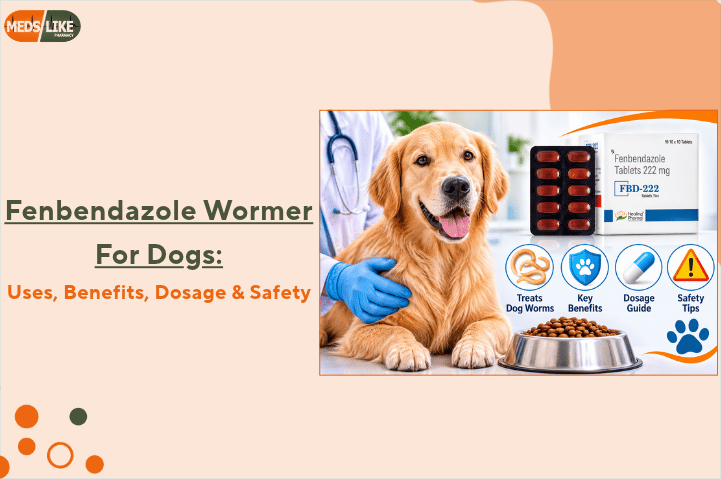
Keeping your dog healthy involves more than providing nutritious food, regular exercise, and routine veterinary checkups. Preventing intestinal worms is essential for your dog’s health. Worm infections can affect dogs of all ages, potentially causing digestive problems, weight loss, and other health concerns. Fenbendazole wormer for dogs is a commonly used veterinary medication that helps treat several types of intestinal worms. It belongs to a group of medicines called benzimidazole anthelmintics, which work by interfering with the metabolism of parasites. Learn how fenbendazole for dog worms works and which parasites it helps treat. But how does fenbendazole work? Learn which worms fenbendazole treats, along with dosage and safety guidelines. This guide explains everything you need to know about fenbendazole for dogs, including its uses, benefits, administration, possible side effects, and precautions. Fenbendazole wormer for dogs is a broad-spectrum veterinary deworming medication used to treat certain parasitic infections in dogs. It is available under different veterinary product names, including Panacur and Safe-Guard. Understand fenbendazole dosage by weight adults and important safety precautions. Learn how dog medicine for worms fenbendazole is used in veterinary care. Depending on the product, fenbendazole may come in granules, powder, or liquid suspension. Oral formulations are generally mixed with food or administered according to the product instructions. Fenbendazole disrupts vital processes in susceptible parasites. More specifically, it interferes with tubulin formation, which affects the parasites’ ability to maintain their cellular structure and obtain energy. As a result, susceptible worms become unable to survive and are eventually eliminated from the digestive system. Fenbendazole is intended for veterinary use. Consult a veterinarian before using fenbendazole for your dog. One of the main reasons veterinarians use fenbendazole is its effectiveness against several common intestinal parasites. Depending on the approved product and its label, fenbendazole can help treat and control the following worms: Roundworms commonly infect puppies through contaminated environments or worm eggs. Symptoms can include: Fenbendazole treats certain types of roundworms in dogs. Hookworms feed on intestinal blood and can cause serious health problems, especially in puppies. Common signs include: Veterinarians may recommend fenbendazole as part of treatment for susceptible hookworm infections. Whipworms live in the large intestine and irritate the digestive system. Dogs with whipworm infections may experience: Fenbendazole treats certain whipworm infections in dogs. Some fenbendazole products are approved for treating specific tapeworm species, including Taenia pisiformis. However, not all tapeworm infections respond to fenbendazole. For example, common flea-associated tapeworm infections may require a different medication. A veterinarian can identify the worms and recommend suitable treatment. Fenbendazole offers several benefits when used correctly under veterinary guidance. Explore the fenbendazole for cats dosage chart by weight and veterinary guidelines. Fenbendazole treats several intestinal worms, including roundworms, hookworms, whipworms, and some tapeworms. Depending on the manufacturer, fenbendazole is available in granules, powders, and liquid formulations. These options can make administration easier for different dogs. Many fenbendazole products can be mixed with a small portion of your dog’s regular food, making treatment more convenient. Veterinarians can calculate the appropriate amount based on a dog’s body weight and the specific product being used. Fenbendazole has a long history of veterinary use for treating susceptible parasitic infections in dogs. These benefits depend on choosing the correct formulation, identifying the parasite, and following the recommended treatment instructions. The correct fenbendazole dosage depends on your dog’s body weight, the type of parasite, the product concentration, and the treatment indication. For example, the US-approved Panacur C and Safe-Guard Canine granule labels specify a daily dose of 50 mg per kg of body weight (22.7 mg per pound) for three consecutive days for their approved canine indications. However, this is not a universal dosing schedule for every fenbendazole product or parasite infection. Different formulations may have different concentrations and dosing instructions. Some infections also require a veterinarian-prescribed treatment schedule. Before administering fenbendazole, consider the following: Important: Longer treatment courses are not automatically safer or more effective. The US FDA has reported cases of serious bone marrow problems in dogs receiving fenbendazole for longer than the labelled three-day course. Always follow veterinary instructions. Fenbendazole is generally administered orally. The exact method depends on the formulation you purchase or receive from your veterinarian. Here are some general administration tips: Step 1: Check the Product Instructions Read the packaging carefully to understand the recommended dose, formulation, and administration method. Step 2: Confirm Your Dog’s Weight Accurate weight measurement helps ensure that the correct amount is administered. Step 3: Prepare the Medication If you are using granules, follow the label instructions for mixing them with food. Liquid formulations should be measured using the appropriate measuring device. Step 4: Administer the Treatment Give the medication according to the prescribed schedule. If it is mixed with food, ensure your dog eats the entire medicated portion. Step 5: Monitor Your Dog Observe your pet for any unusual symptoms or changes in appetite, digestion, or behaviour. Fenbendazole is generally well tolerated when administered according to approved instructions. Possible reactions include: Most reported reactions are mild, but persistent vomiting, severe diarrhoea, unusual weakness, or other concerning symptoms require veterinary attention. More importantly, prolonged or inappropriate use can increase the risk of serious complications, including bone marrow suppression and reduced blood cell production. Do not increase the dose, repeat treatment, or extend the treatment duration without consulting a veterinarian. Although fenbendazole is an established veterinary dewormer, responsible administration is essential. Keep these precautions in mind: Also, keep all veterinary medications away from children and follow safe handling instructions. Fenbendazole wormer for dogs is an established veterinary treatment option for several common intestinal parasites. It can help manage roundworm, hookworm, whipworm, and certain tapeworm infections when used with the right product and treatment schedule. How fenbendazole for rabbits is used to manage certain parasitic infections. However, successful deworming involves more than simply giving medication. Accurate parasite identification, correct dosing, appropriate treatment duration, and follow-up testing all contribute to better outcomes. Q: How long does fenbendazole take to work in dogs? The time required depends on the type of parasite, the severity of infection, and the prescribed treatment schedule. Follow-up faecal testing may be recommended to confirm whether treatment has been successful. Q: Can fenbendazole be given to puppies? Certain approved fenbendazole products are suitable for puppies from six weeks of age. However, minimum age requirements and dosing instructions vary by product. Consult a veterinarian before treating a puppy. Q: Does fenbendazole treat all types of worms? No. Fenbendazole treats specific susceptible parasites, but it does not cover every type of worm. Some infections require different medications or additional treatment. Q: Can fenbendazole be mixed with dog food? Many granule formulations are designed to be mixed with a small amount of regular dog food. Always follow the instructions for the particular product. Q: Does fenbendazole require a prescription? Prescription requirements depend on the country, product, and formulation. Check local veterinary regulations and consult a veterinarian before purchasing or using it.
What Is Fenbendazole Wormer for Dogs?
What Types of Worms Does Fenbendazole Treat in Dogs?
1. Roundworms
2. Hookworms
3. Whipworms
4. Tapeworms
Benefits of Fenbendazole Wormer for Dogs
Fenbendazole Dosage for Dogs: What Should You Know?
How to Give Fenbendazole to Dogs
Possible Side Effects of Fenbendazole in Dogs
Safety Precautions Before Using Fenbendazole
Final Thoughts
FAQs
References:


