 +1 305 709 4119 (Click to chat)


Ivermectin and Fenbendazole for Cancer: What to Know

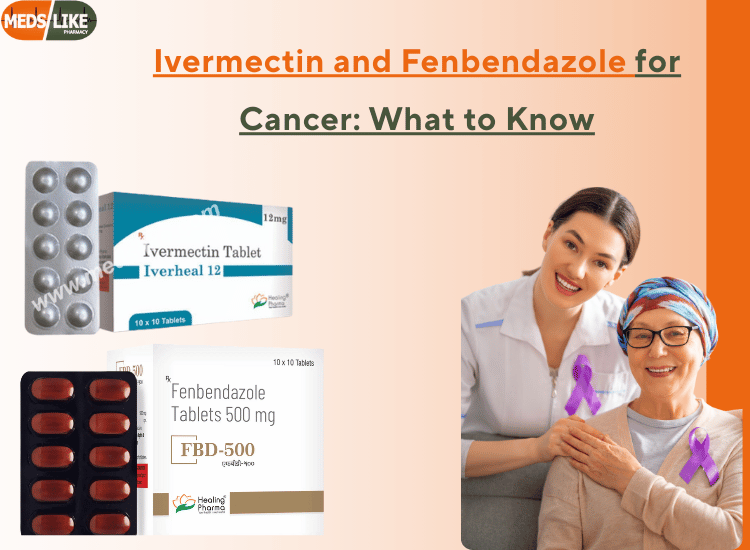
A cancer diagnosis often leads patients and families to look beyond standard treatments and explore every possible option that might support recovery. In recent years, anti-parasitic medicines like Ivermectin and Fenbendazole have drawn widespread attention for their potential roles in cancer care. Online discussions, testimonials, and early lab research have fueled curiosity about these drugs. While both Ivermectin and Fenbendazole tablets for humans are gaining popularity in online cancer communities, it is important to understand that neither medication is officially approved for treating cancer. Their use remains experimental, and anyone considering them should consult a qualified medical professional. This article explores what these drugs are, how they work, what research suggests, and the precautions you should know. Ivermectin: Ivermectin is a well-known antiparasitic medication that has been used worldwide for decades. It is approved for treating parasitic conditions such as: Intestinal worm infections River blindness Scabies Certain types of mites Ivermectin works by affecting the nervous system of parasites, ultimately killing them. It is considered safe when taken in the correct dosage under medical supervision. Beyond its parasitic uses, early laboratory studies have shown that Ivermectin may exhibit anticancer properties, including effects on cancer cell growth and survival. However, these findings are still in experimental stages and not enough to support medical use for cancer. Fenbendazole: Fenbendazole Tablets belong to the benzimidazole class of drugs and are widely used to treat parasitic worm infections in animals. Some formulations are also available for human use in certain regions. It works by disrupting the internal structure of the parasite and blocking its ability to absorb nutrients, eventually killing it. Fenbendazole has also demonstrated anticancer activity in preclinical studies, which has contributed to rising public interest. Yet, like Ivermectin, it has not been approved for cancer treatment. Early preclinical studies suggest that both Fenbendazole and Ivermectin Tablets may show anti-cancer activity in laboratory settings. Because of these early findings, some individuals have explored their use alongside conventional care for cancers such as ovarian, melanoma, colon, breast, and certain blood cancers. Fenbendazole has also been discussed anecdotally in cases involving advanced or metastatic pancreatic cancer. However, these uses remain experimental and are not medically approved. There are no official medical dosage recommendations for cancer treatment using these drugs. Still, online users and anecdotal stories often mention certain patterns: Reported dosage: 222 mg to 1 gram per day Often used in cycles (e.g., 3 weeks on, 1 week off) Reported dosage varies widely Typically ranges from 0.5 to 2 mg per kilogram of body weight, taken several times per week Sometimes used with supplements or other medications Important: Preclinical studies suggest Fenbendazole may: Disrupt microtubules (internal support structures of cells) Block glucose uptake by interfering with the GLUT1 and hexokinase pathways Enhance the activity of p53, a tumor-suppressor gene Affect cancer cells that resist traditional treatments These actions can slow down or interrupt the growth of certain cancer cells in laboratory settings. Research indicates that Ivermectin may: Block cancer-promoting signals like Akt/mTOR, Wnt/β-catenin, and STAT3 Trigger programmed cancer cell death (apoptosis) Induce autophagy, a process where damaged cells break themselves down Support the immune system in identifying and attacking cancer cells It has shown effects against more than 20 types of cancer in early studies. These findings, although promising, are not sufficient to recommend these drugs for cancer patients without strict medical supervision. Currently, the answer is: Both drugs remain experimental for cancer use. There is no strong clinical evidence proving they are safe or effective for human cancer patients. Until clinical trials confirm their value, they should not replace standard treatments like chemotherapy, radiation, targeted therapy, or immunotherapy. Patients should never attempt self-treatment because incorrect dosing or interactions with ongoing cancer therapies can cause serious health risks. While both impact parasites, their potential anticancer mechanisms differ significantly. In countries like Australia, Ivermectin is legally available only with a doctor’s prescription. Fenbendazole availability varies depending on the region. Some people search online for these medicines and ask: Licensed online pharmacies such as Medslike.com offer these medications for parasitic treatments. Users can also check Ivermectin and Fenbendazole prices and choose suitable options. However, these drugs should only be purchased for approved parasitic uses—not for cancer treatment without medical direction. How do these drugs work against cancer? Ivermectin blocks cancer-growth pathways and may support immune responses, while Fenbendazole disrupts cell structure and affects sugar metabolism. These actions are seen mainly in experimental studies. How long must someone take these drugs? There is no approved duration for cancer treatment. Only a doctor can guide dosing in a clinical research setting. Are there clinical trials? Early research exists, but large human trials are still lacking. Can these drugs be taken with chemotherapy? Research is insufficient to determine the safety of chemotherapy. Only an oncologist can advise.
What is Ivermectin and Fenbendazole?
Role of Ivermectin and Fenbendazole in Cancer Symptoms
Reported Dosage Patterns (Not Medically Approved)
Fenbendazole
Ivermectin
These dosages are NOT medically approved. Self-medicating with such strong drugs can be dangerous.How Do Ivermectin and Fenbendazole Target Cancer Cells?
Fenbendazole’s Potential Mechanisms
Ivermectin’s Potential Mechanisms
Should You Use Ivermectin or Fenbendazole for Cancer?
Not without medical guidance.Key Differences Between Ivermectin and Fenbendazole
Feature
Ivermectin
Fenbendazole
Primary Use
Human antiparasitic
Mostly veterinary antiparasitic
Absorption
Well absorbed
Slow absorption
Cancer Mechanism
Blocks growth signals & boosts immunity
Disrupts cell structure & glucose use
Safety Data
Proven safe in approved uses
Limited data at high doses
Where Can You Buy Ivermectin and Fenbendazole?
“Where can I get Ivermectin and Fenbendazole?”
FAQS


