 +1 305 709 4119 (Click to chat)


Why Do I Feel Sick After Working Out? Symptoms and Causes

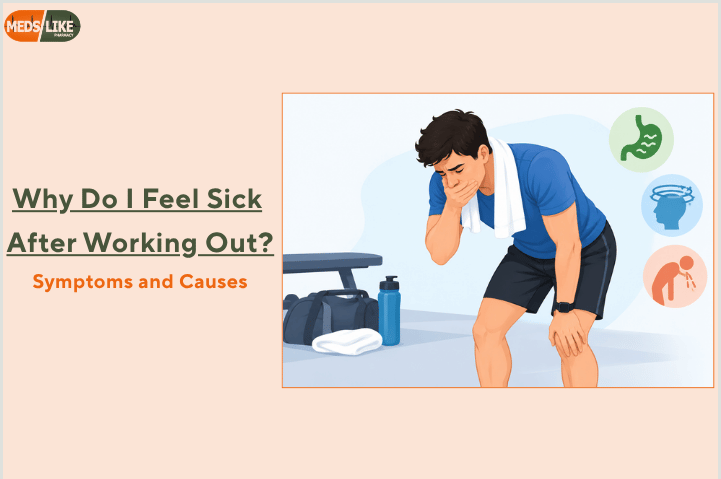
Feeling sick after working out can be uncomfortable, especially when you are trying to improve your fitness. You might experience nausea, dizziness, headaches, weakness, or stomach discomfort after exercise. These symptoms can occur after an intense workout, exercising in hot weather, or working out without enough food or fluids. Feel sick after workout due to dehydration or overexertion. In many cases, feeling sick after exercise is temporary and improves with rest. However, recurring or severe symptoms may indicate an underlying problem that needs medical attention. Understanding the common causes can help you exercise more comfortably and safely. Feeling sick after exercise means experiencing discomfort during or after a workout. Symptoms can range from mild nausea to dizziness, fatigue, and stomach cramps. Feel unwell after exercise when your body is exhausted. Learn about exercise symptoms and whether soursop benefits sexually affect energy and stamina. These symptoms may develop when you push your body too hard, become dehydrated, or exercise in hot conditions. Your body needs sufficient oxygen, fluids, and energy to support physical activity. Workout symptoms depend on exercise intensity and overall health. Although occasional discomfort can happen after strenuous exercise, it is important to recognise the symptoms and understand what might be causing them. Feeling unwell after exercise may indicate dehydration. Symptoms depend on workout intensity and fitness level. Common signs include: Pay attention to when these symptoms occur, how severe they are, and how long they last. This information can help you identify possible triggers. Feeling sick after gym may result from dehydration. Dehydration can cause nausea after workouts due to fluid loss through sweat. If you do not replace these fluids, you may develop dizziness, headaches, fatigue, and nausea. Long workouts and hot weather raise the risk of dehydration. What you can do: Drink water regularly, replace fluids lost through sweat, and consider electrolytes during intense workouts. Pushing yourself too hard can make you feel nauseous, dizzy, or extremely tired. During intense exercise, blood flow increases to your working muscles. Changes in blood flow and the physical demands of strenuous activity can contribute to stomach discomfort. This is particularly common among beginners or people who suddenly increase their workout intensity. Nausea after exercise cure includes rest and proper hydration. Sickness after working out may result from overexertion. What you can do: Start with manageable exercise sessions and gradually increase the intensity and duration. Allow yourself enough rest between challenging workouts, and stop exercising if you begin to feel unwell. Your body needs sufficient energy to fuel exercise. If you exercise after skipping meals or consuming too few calories, you may experience weakness, dizziness, headaches, or nausea. Low blood glucose can also contribute to these symptoms, particularly if you use certain diabetes medications or have other risk factors. What you can do: Eat balanced meals and have a light snack before exercise. Allow enough time for digestion before intense workouts. Eating a heavy meal before exercise may trigger nausea, bloating, and stomach cramps. During strenuous activity, your digestive system may receive less blood flow as your body directs more blood towards working muscles. Why do you feel like puking after workout? Intense exercise, dehydration, or poor meal timing may be the cause. Exercising immediately after a heavy meal can make digestive discomfort more noticeable. Feeling like throwing up after workout may result from intense exercise. What you can do: Wait 2–3 hours after a large meal before intense exercise. Allow less time after a light snack, depending on your comfort. Why Do You Feel Sick before Working Out? Overexertion can trigger nausea. Blood pressure can temporarily drop after exercise, particularly if you stop suddenly after intense activity. This can cause lightheadedness, weakness, or dizziness. Feel sick during workout may result from dehydration, overheating, or overexertion. Standing up too quickly after exercise can worsen dizziness, while overexertion may trigger nausea. How long does exercise induced nausea last? It often improves with rest. What you can do: Gradually reduce your exercise intensity instead of stopping abruptly. Finish with a gentle cooldown, and sit or lie down if you feel dizzy. If the problem happens repeatedly, consult a healthcare professional. Working out in hot or humid conditions makes it harder for your body to regulate its temperature. Excessive sweating can lead to fluid loss, while rising body temperature can cause nausea, dizziness, headaches, and weakness. These symptoms may indicate heat exhaustion, which requires prompt attention. What you can do: Exercise during cooler hours, wear lightweight clothing, and take breaks in shaded or air-conditioned areas. Stop exercising immediately if you develop symptoms of heat-related illness. Holding your breath during heavy lifting or breathing irregularly during exercise may contribute to dizziness and discomfort. Beginners may also struggle to maintain a steady breathing pattern during intense workouts. What you can do: Focus on controlled, regular breathing. During weightlifting, exhale during the effort and inhale during the easier phase of the movement. Avoid holding your breath for prolonged periods, especially if you are not trained to do so. A few practical changes can help reduce the likelihood of feeling unwell after exercise: If you regularly feel sick after exercising despite making these changes, speak with a healthcare professional to identify the underlying cause. Why do I feel like vomiting after running? Intense exercise may cause nausea. Mild post-workout nausea or fatigue often improves with rest and hydration. Persistent or recurring symptoms need medical attention. Explore common causes of nausea and understand Viagra pictures before and after in relation to medication effects. Seek urgent medical attention if you experience chest pain, fainting, severe shortness of breath, confusion, or severe or worsening symptoms. Why does working out make me feel sick? Several factors may contribute. Feeling sick after working out can happen for several reasons, including dehydration, exercising too intensely, poor meal timing, low blood pressure, and heat exposure. Identifying your symptoms and making small adjustments to your workout routine may help you feel better.
What Does Feeling Sick After a Workout Mean?
Common Symptoms of Feeling Sick After Exercise
7 Common Causes of Feeling Sick After Working Out
1. Dehydration
2. Exercising Too Intensely
3. Not Eating Enough Before Exercise
4. Eating Too Much Before a Workout
5. Low Blood Pressure
6. Exercising in Hot Weather
7. Poor Breathing Technique
How to Prevent Feeling Sick After Working Out
When Should You Seek Medical Attention?
Final Thoughts
References:


