
Home » Antifungal

Antifungal medicines are used to treat infections caused by fungi. Fungi are commonly found in soil, air, and even on the human skin, and they can lead to conditions such as yeast infections, ringworm, and fungal infections of the nails and skin.

In some cases, inhaling fungal spores may also cause respiratory infections. Individuals with weakened immune systems are at higher risk of developing serious fungal infections and often require antifungal treatment to recover effectively.
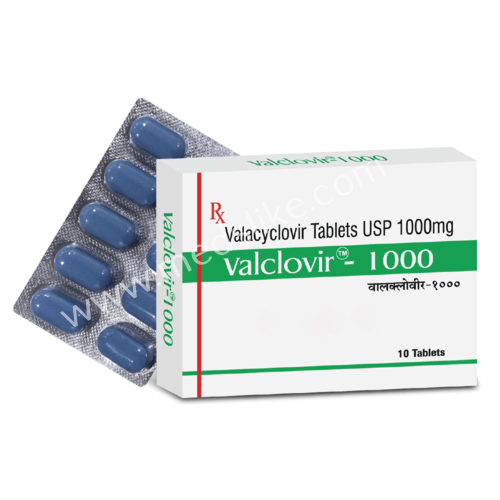
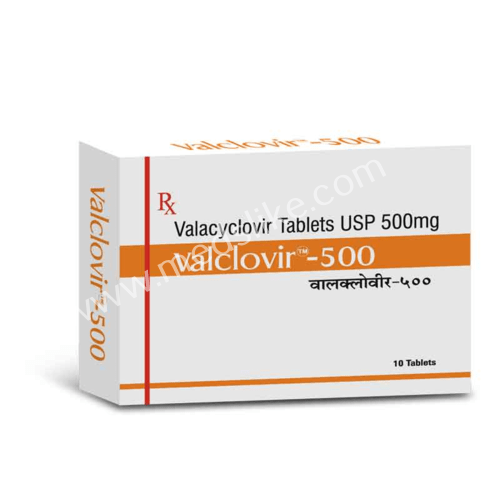
Valclovir 1000mg

Price range: $249.00 through $719.00
Select options This product has multiple variants. The options may be chosen on the product page

Valclovir 500mg

Price range: $195.00 through $572.00
Select options This product has multiple variants. The options may be chosen on the product page

Flucort-C Cream (Fluocinolone / Ciclopirox)

Price range: $17.00 through $63.00
Select options This product has multiple variants. The options may be chosen on the product page

Flucort N Cream (Fluocinolone / Neomycin)

Price range: $15.00 through $52.00
Select options This product has multiple variants. The options may be chosen on the product page

Flucort-H Cream (Fluocinolone)

Price range: $20.00 through $73.00
Select options This product has multiple variants. The options may be chosen on the product page

Flucort Skin Lotion (Fluocinolone)

Price range: $20.00 through $74.00
Select options This product has multiple variants. The options may be chosen on the product page

Fluka 150 mg (Fluconazole)

Price range: $44.50 through $369.10
Select options This product has multiple variants. The options may be chosen on the product page

Fluka 150 mg Capsule (Fluconazole)

Price range: $45.00 through $372.10
Select options This product has multiple variants. The options may be chosen on the product page

Vorier 200 mg (Voriconazole)

Price range: $99.00 through $950.00
Select options This product has multiple variants. The options may be chosen on the product page

Forcan 200 mg (Fluconazole)

Price range: $55.00 through $478.00
Select options This product has multiple variants. The options may be chosen on the product page

Forcan 50 mg (Fluconazole)

Price range: $22.00 through $160.50
Select options This product has multiple variants. The options may be chosen on the product page

Zocon 200 mg (Fluconazole)

Price range: $65.50 through $549.50
Select options This product has multiple variants. The options may be chosen on the product page

Antifungal medicines are medications designed to kill fungi or stop their growth. These drugs, also known as antimycotic agents, are commonly used to treat a wide range of fungal infections affecting the skin, nails, and internal organs.

What Are Antifungals?

Antifungals are medicines that target fungal organisms responsible for infections in the body. They are effective against infections caused by fungi that grow as yeasts, molds, or both. These organisms spread through tiny spores found in air, soil, and even on the human body.

What Do Antifungal Medicines Treat?

Antifungal Valclovir 1000mg medicines are used to treat both mild and serious fungal infections, including:

  • Athlete’s foot, ringworm, and jock itch
  • Dandruff (seborrheic dermatitis)
  • Nail infections (fungal fingernails and toenails)
  • Oral thrush and esophageal candidiasis
  • Vaginal yeast infections (vaginitis)

They are also used for more severe infections such as:

  • Lung infections such as aspergillosis and pneumonia
  • Blood infections such as candidemia
  • Brain infections like meningitis
  • Sinus infections (rhinosinusitis)
  • Eye infection caused by fungi

How Do Antifungal Medicines Work?

Antifungal medications work in different ways depending on the type of drug. They may:

  • Kill fungal cells directly
  • Stop fungi from growing and multiplying
  • Damage the fungal cell wall or structure

Common classes of antifungal drugs include:

  • Azoles (e.g., fluconazole) – prevent fungal growth
  • Echinocandins (e.g., micafungin) – weaken fungal cell walls
  • Polyenes (e.g., nystatin) – destroy fungal cells

Forms of Antifungal Treatment

Antifungal medicines are available in several forms, including:

  • Oral tablets and liquid medicines
  • Topical creams, gels, sprays, and ointments
  • Vaginal suppositories
  • IV or injectable antifungal treatments

Who Is at Risk of Fungal Infections?

Anyone can develop a fungal infection, but individuals with weakened immune systems are at a higher risk. This includes people living with HIV/AIDS, cancer, autoimmune diseases such as lupus, or those who have undergone organ or stem cell transplants.

Side Effects of Antifungal Medicines

Possible side effects may include:

  • Nausea, diarrhea, or stomach pain
  • Skin irritation, rash, or itching

In rare cases, antifungals may cause serious effects such as:

  • Liver damage
  • Severe allergic reactions
  • Skin blistering or peeling

Antifungal Resistance

Antifungal resistance occurs when fungi stop responding to treatment, making infections harder to cure. This can happen due to long-term use, incorrect dosage, or stopping treatment early.

Summary

Antifungal medicines are essential treatments for managing fungal infections ranging from mild skin conditions to serious internal diseases. Proper use under medical guidance ensures safe and effective recovery.