Types of Eye Problems
Eye problems can affect people of all ages and may impact vision if left untreated. Common eye conditions include:
- Glaucoma – A condition that damages the optic nerve and may cause vision loss.
- Cataracts – Clouding of the eye lens that affects clear vision.
- Age-Related Macular Degeneration (AMD) – Affects the central vision area of the retina.
- Retinal Detachment – A serious condition where the retina separates from its normal position.
- Conjunctivitis (Pink Eye) – Inflammation or infection of the eye surface.
- Uveitis – Inflammation of the middle layer of the eye.
- Eye Allergies – Irritation caused by allergens affecting the eyes.
- Stye (Sty) – A painful lump caused by an infection near the eyelid.
- Keratoconus – A condition where the cornea becomes thin and cone-shaped.
- Blepharitis – Inflammation of the eyelids.
- Chalazion (Eyelid Cyst) – A blocked oil gland causing a lump on the eyelid.
- Corneal Ulcer – An open sore on the cornea that may affect vision.
- Diabetic Retinopathy – Eye damage caused by diabetes.
- Hyperopia (Farsightedness) – Difficulty seeing nearby objects clearly.
- Myopia (Nearsightedness) – Difficulty seeing distant objects clearly.
- Astigmatism – Blurred vision due to an irregularly shaped cornea.
- Color Blindness – Difficulty distinguishing certain colors.
Understanding how does pink eye symptoms start can help identify early signs such as redness, itching, irritation, watery eyes, and unusual discharge so that timely care can be taken.
Symptoms of Eye Problems
Seek medical advice if you experience symptoms such as:
- Severe or sudden eye pain
- Recurring pain around the eyes
- Blurred, hazy, or double vision
- Flashes of light or sudden floating spots
- Halos or rainbow rings around lights
- Increased eye floaters or spider-web-like shapes
- A curtain-like shadow over one eye
- Unusual sensitivity to light
- Redness, swelling, itching, or burning of the eyes
- Changes in iris color
- White spots in the pupil
- Persistent discharge from the eyes
- Sudden changes in vision
Causes of Eye Problems
Eye conditions can develop due to various factors, including:
- Infections: Bacterial, viral, fungal, or parasitic infections affecting the eyes.
- Eye Injuries: Trauma or foreign objects entering the eye.
- Genetic Factors: Some inherited eye conditions may appear later in life.
- Health Conditions: Diseases such as diabetes and migraines can affect eye health.
- Environmental Factors: Allergies, excessive screen use, eye strain, and certain medications may contribute to eye problems.
Eye Care Myths and Facts
Myth: Reading in dim light damages your eyes.
Fact: Reading in low light may cause temporary eye fatigue but does not permanently harm your eyes.
Myth: Computer screens permanently damage eyesight.
Fact: Extended screen use can cause eye strain and dryness but does not directly damage the eyes.
Myth: Eye checkups are only needed after age 40.
Fact: Some eye diseases can develop earlier without noticeable symptoms, making regular checkups important.
Myth: Swimming with contact lenses is safe.
Fact: Swimming while wearing contact lenses can increase the risk of serious eye infections.
Myth: Children outgrow crossed eyes.
Fact: Misaligned eyes may require treatment to prevent long-term vision problems.
Myth: Cataracts can be removed with laser treatment.
Fact: Cataracts are removed through surgery, although lasers may be used in certain procedures after cataract surgery.
Myth: Eye transplantation is possible.
Fact: A complete eye transplant is not currently possible, but corneal transplantation can restore vision in some cases.
Prevention Tips for Healthy Eyes
Protecting your vision with proper eye care habits can help maintain long-term eye health:
- Schedule regular eye examinations as recommended by your healthcare provider.
- Learn about your family’s history of eye conditions.
- Follow a healthy lifestyle and maintain a balanced diet rich in eye-supporting nutrients.
- Wear protective eyewear during sports, construction work, or activities involving eye injury risks.
- Avoid exposure to harmful activities such as fireworks without proper protection.
- Reduce eye strain by taking breaks during prolonged screen use.
- Use quality eye care drops recommended for your needs.
Common Eye Care Medications
Some commonly prescribed eye medications include:
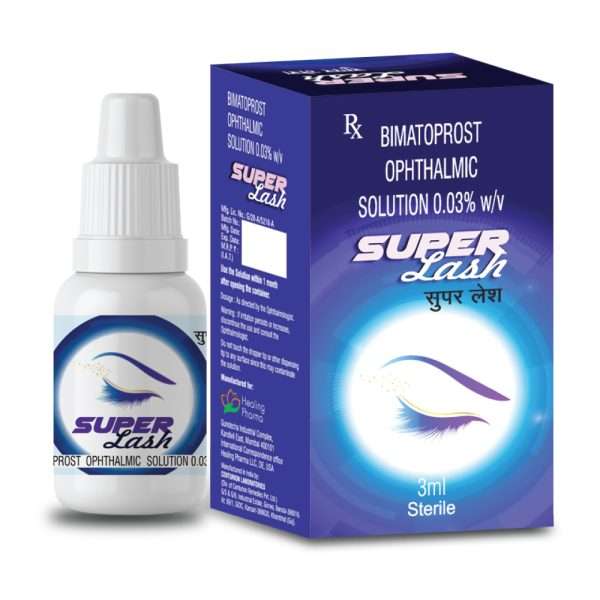
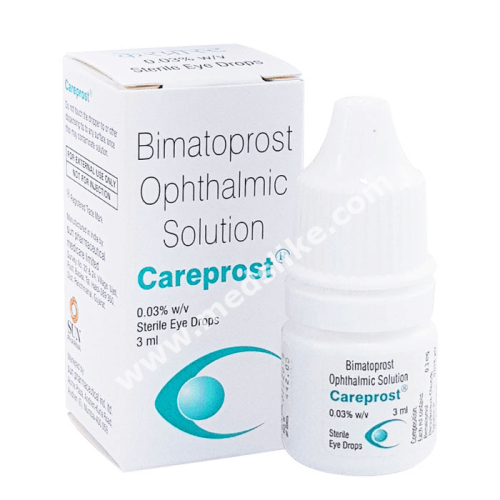
- Bimatoprost Ophthalmic Solution
- Cyclosporine Eye Drops
- Dorzolamide Eye Drops
- Latanoprost Eye Drops
- Chloramphenicol Eye Drops
Always use eye medications under the guidance of a healthcare professional.
Shop Eye Drops Online
Maintain your eye health with trusted eye care drops, eye drops, and vision support solutions. Careprost buy online from a trusted source like Medslike to support your eye care routine and maintain healthy-looking eyelashes with quality eye care products. Choose quality drops from a reliable online pharmacy to support comfortable and healthy eyes.
 +1 305 709 4119 (Click to chat)