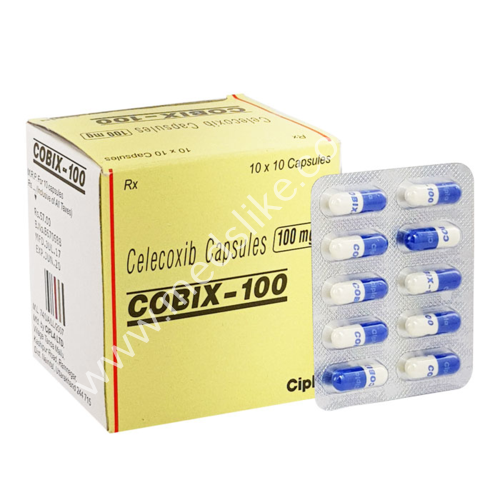
Pain is one of the most common health concerns affecting people of all ages. Whether caused by an injury, illness, surgery, or chronic condition, effective pain relief can help improve quality of life and restore daily function. Understanding the different types of pain and available treatment options is essential for choosing the right approach to pain management.
Different Types of Pain
Pain can generally be classified into two main categories: acute pain and chronic pain.
Acute Pain
Acute pain is typically severe but short-lived. It serves as the body’s warning signal that tissue damage or injury has occurred. Once the underlying cause is treated, acute pain usually subsides.
Common types of acute pain include:
Somatic Pain
Somatic pain originates from the skin, muscles, joints, ligaments, or tissues beneath the skin. It is often described as sharp, aching, or throbbing.
Visceral Pain
Visceral pain arises from internal organs and the lining of body cavities. It is often difficult to pinpoint and may feel deep or pressure-like.
Referred Pain
Referred pain occurs when discomfort is felt in a different area than where the injury or condition exists. For example, shoulder pain during a heart attack is a form of referred pain.
Chronic Pain
Chronic pain lasts for months or even years and may continue even after the original injury has healed. It can range from mild to severe and may be constant or intermittent.
Examples of chronic pain conditions include:
- Arthritis
- Fibromyalgia
- Chronic back pain
- Migraines
- Neuropathic pain disorders
Neuropathic Pain
Neuropathic pain results from damage to the nerves that connect the brain and spinal cord to the rest of the body. Symptoms may include:
- Burning sensations
- Tingling
- Numbness
- Electric shock-like pain
- Increased sensitivity
Phantom Limb Pain
Phantom limb pain occurs after an amputation and causes painful sensations that seem to come from the missing limb. Studies suggest that approximately 70% of amputees experience some degree of phantom pain.
Central Pain
Central pain is caused by damage or dysfunction within the brain or spinal cord. Common causes include:
- Stroke
- Brain tumors
- Spinal cord injuries
- Hemorrhage
- Abscesses
Patients often describe central pain as burning, aching, pressing, or persistent discomfort.
Common Pain Relief Medications
Several medications are commonly used to manage pain and inflammation. Some popular options include:
- Ibugesic
- Voltaflam
- Drotin
- Voveran Gel 1%
- Volini Gel
These medications may help relieve headaches, muscle pain, joints knee pain, inflammation, and minor injuries. Always follow medical advice and dosage recommendations before using any pain relief medicine.
When purchasing pain relief tablets or topical pain relief medicine online, choose a trusted and reputable pharmacy to ensure product quality and authenticity.
Alternative Pain Relief Treatments
In addition to medications, several non-drug therapies may help manage pain effectively.
Acupuncture
Acupuncture involves inserting thin needles into specific pressure points to stimulate the body’s natural pain-relieving mechanisms.
Nerve Blocks
Nerve block injections can temporarily interrupt pain signals from specific nerves, providing targeted pain relief.
Psychotherapy
Chronic pain often affects mental health and emotional well-being. Psychological counseling can help patients develop coping strategies and improve their overall quality of life.
TENS Therapy
Transcutaneous Electrical Nerve Stimulation (TENS) uses mild electrical impulses to stimulate nerves and reduce pain perception.
Surgical Treatments
For severe chronic pain, doctors may recommend surgical procedures such as:
- Rhizotomy
- Nerve decompression
- Deep brain stimulation
- Spinal cord stimulation
Biofeedback
Biofeedback teaches individuals to gain better control over bodily functions such as heart rate, muscle tension, and breathing, which may help reduce pain symptoms.
Relaxation Techniques
Stress can intensify pain. Effective relaxation therapies include:
- Meditation
- Yoga
- Tai Chi
- Massage therapy
- Guided imagery
- Hypnosis
Physical Therapy and Chiropractic Care
Physiotherapists and chiropractors can help relieve pain by improving mobility, correcting posture, and reducing muscle tension.
Hot and Cold Therapy
Applying heat or ice packs to affected areas can reduce inflammation, improve circulation, and relieve pain. The choice depends on the nature of the injury or condition.
Rest and Recovery
Sometimes the most effective treatment is allowing the body adequate time to heal, especially for injuries caused by overuse or repetitive movements.
Common Myths About Pain Relief
Myth: All Doctors Are Experts in Pain Management
Fact: Pain management is a specialized field. Chronic pain patients often benefit from treatment by physicians with advanced training in pain medicine, rheumatology, neurology, or rehabilitation.
Myth: There Is One Treatment That Works for Everyone
Fact: There is no universal cure for chronic pain. Effective pain management often combines medication, physical therapy, lifestyle changes, and other supportive treatments.
Myth: Seeking Help for Pain Is a Sign of Weakness
Fact: Seeking medical care for pain demonstrates responsibility and proactive health management. Early treatment can often prevent pain from becoming more severe or long-lasting.
Finding the Right Pain Relief Solution
Pain affects everyone differently, which is why personalized treatment is important. Whether you choose pain relief tablets, topical gels, physical therapy, or alternative treatments, the goal is to improve comfort, mobility, and overall well-being.
Always consult a healthcare professional for persistent, severe, or unexplained pain to ensure accurate diagnosis and appropriate treatment.
 +1 305 709 4119 (Click to chat)