 +1 305 709 4119 (Click to chat)


The Health Benefits Of Kiwi fruit

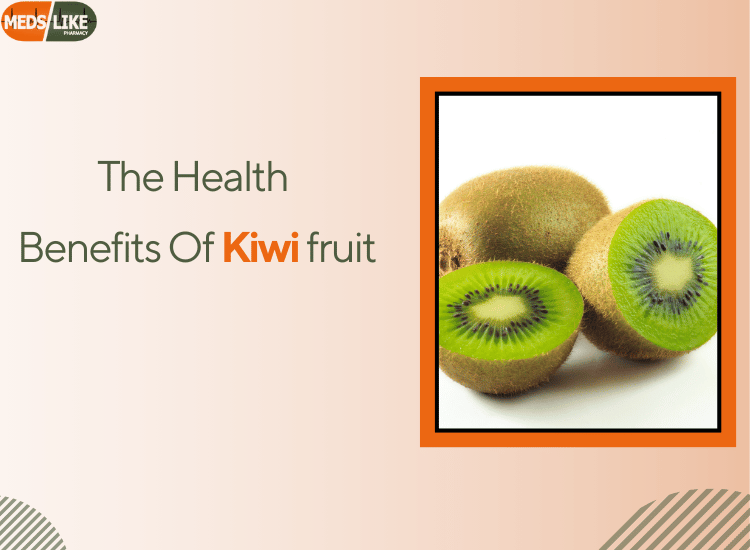
Kiwi fruit, also known simply as kiwi, is one of nature’s most vibrant and nutrient-packed fruits. With its bright green flesh, tiny black seeds, and sweet-tart flavor, kiwi isn’t just a treat for your taste buds — it’s also a powerhouse of health benefits. Often called a “superfruit,” kiwi is loaded with vitamins, minerals, fiber, and antioxidants that can improve your overall well-being.
Whether you enjoy it fresh, add it to a smoothie, or use it in salads, kiwi fruit can be a delicious way to support your health. Let’s explore the top benefits of kiwi and why you should make it a regular part of your diet.
Packed With Vitamin C for a Stronger Immune System
Kiwi fruit is one of the richest sources of vitamin C, even more than oranges in many cases. Just one medium kiwi can provide over 70% of your daily recommended intake of vitamin C.
Vitamin C is essential for immune function, helping your body fight off infections and heal faster. Regularly eating kiwi may help reduce the severity and duration of colds, boost white blood cell activity, and improve overall immune health.
Supports Healthy Digestion
If you struggle with bloating or irregular bowel movements, kiwi may help. It contains a special enzyme called actinidin, which aids in breaking down protein and improving digestion.
Additionally, kiwi is rich in dietary fiber, which promotes regular bowel movements and supports gut health. Eating just one or two kiwis a day can help prevent constipation and keep your digestive system running smoothly.
Heart Health Booster
Kiwi fruit is good for your heart in several ways. Its high fiber content helps lower LDL (“bad”) cholesterol, while the antioxidants protect your blood vessels from damage.
Kiwis also contain potassium, which helps regulate blood pressure by counteracting the effects of sodium. Some studies suggest that eating two to three kiwis daily can reduce platelet aggregation, lowering the risk of blood clots and supporting overall cardiovascular health.
Improves Skin Health and Collagen Production
If you want healthy, glowing skin, kiwi is your friend. Thanks to its high vitamin C content, kiwi helps boost collagen production — a protein that keeps your skin firm and youthful.
The antioxidants in kiwi also help fight free radicals, which are responsible for premature aging, wrinkles, and skin damage. Regular consumption can result in clearer, more radiant skin.
Supports Weight Management
Kiwi fruit is low in calories but high in fiber, making it a perfect snack for anyone trying to lose or maintain weight. The fiber keeps you feeling fuller for longer, reducing the urge to overeat.
Plus, its natural sweetness can satisfy sugar cravings more healthily, helping you avoid processed snacks and desserts.
Helps With Better Sleep
Struggling with insomnia or poor sleep quality? Kiwi may be a natural solution. Studies have found that eating two kiwis an hour before bedtime can improve sleep quality and help you fall asleep faster.
Kiwi contains serotonin, a brain chemical that helps regulate your sleep cycle, as well as antioxidants that reduce stress levels and promote relaxation.
Rich in Antioxidants for Overall Health
Kiwi is loaded with antioxidants such as vitamin C, vitamin E, and polyphenols, which help protect your body from oxidative stress. These compounds neutralize free radicals, reducing the risk of chronic diseases like cancer, heart disease, and diabetes.
Antioxidants also play a role in supporting brain health, reducing inflammation, and slowing down the aging process.
Good for Eye Health
Kiwi fruit contains lutein and zeaxanthin, two antioxidants that are particularly beneficial for eye health. These compounds help protect your eyes from harmful UV light and reduce the risk of age-related macular degeneration and cataracts.
Regular consumption of kiwi may help keep your vision sharp as you age.
Boosts Iron Absorption
If you are prone to iron deficiency or anemia, kiwi can help. Its high vitamin C content enhances the absorption of non-heme iron (the type found in plant-based foods).
Pairing kiwi with iron-rich foods like spinach or lentils can maximize the benefits and support healthy red blood cell production.
Helps Reduce Inflammation
Chronic inflammation is linked to many health issues, including heart disease and arthritis. Kiwi fruit contains antioxidants and vitamin C that help lower inflammation in the body, supporting joint health and reducing pain over time.
Tips for Enjoying Kiwi
-
Eat it fresh by slicing it in half and scooping out the flesh with a spoon.
-
Add kiwi slices to fruit salads, smoothies, or yogurt bowls.
-
Use kiwi in desserts or as a topping for pancakes and oatmeal.
-
For extra nutrition, you can even eat the skin after washing it well — it’s rich in fiber and antioxidants.
Final Thoughts
Kiwi fruit may be small, but its health benefits are enormous. From boosting immunity and improving digestion to supporting heart health, better sleep, and glowing skin, kiwi truly deserves its reputation as a superfruit.
Adding one or two kiwis to your daily routine is an easy, tasty way to improve your overall health and well-being. So, the next time you’re at the market, pick up some fresh kiwis and enjoy their sweet, tangy goodness — your body will thank you.
FAQs
1. Is it safe to eat the skin of a kiwi?
Yes! The skin is safe to eat and rich in fiber; just wash it thoroughly first.
2. How many kiwis should I eat a day?
One to two kiwis per day is enough to enjoy their health benefits.
3. Is kiwi good for weight loss?
Yes. Kiwi is low in calories and high in fiber, making it a perfect weight-loss snack.
4. Can kiwi help with sleep?
Yes. Studies show that eating kiwi before bed can improve sleep quality.


