 +1 305 709 4119 (Click to chat)


Does High Blood Pressure Cause Headaches?

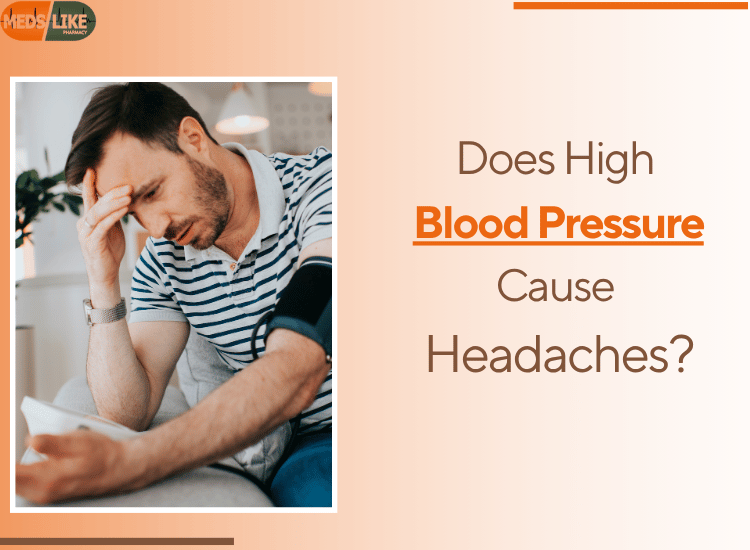
High blood pressure, also known as hypertension, is often referred to as the “silent killer” because it typically doesn’t show any obvious symptoms. Many people may not even know they have it until it causes serious health issues. However, one symptom that sometimes raises concern is headaches. People often wonder if their headache is being caused by high blood pressure or if it’s due to something else entirely. While not everyone with hypertension experiences headaches, there is a specific type of headache that can be linked to extremely high blood pressure levels. Let’s delve into how hypertension and headaches may be linked.
What Causes High Blood Pressure?
Before diving into the relationship between headaches and high blood pressure, it’s important to understand what actually causes hypertension. Hypertension occurs when blood consistently exerts excessive pressure on the artery walls over an extended period. Over time, this can put stress on your heart and blood vessels, raising the risk of heart disease, stroke, and other serious health issues.
Several factors can contribute to developing hypertension, including:
- Obesity
- Poor Diet
- High sodium intake
- High levels of stress
- Sedentary lifestyle with little physical activity
- Excessive consumption of alcohol or caffeine
- Certain health conditions, such as kidney disease
Understanding these risk factors can help you take preventive steps to manage your blood pressure effectively.
Are Headaches a Sign of High Blood Pressure?
While headaches can sometimes occur in people with high blood pressure, they are not a reliable or consistent symptom. Many individuals with elevated hypertension levels don’t experience any symptoms for years. However, when blood pressure spikes suddenly or reaches dangerously high levels, it can sometimes lead to a particular type of headache known as a hypertensive headache.
When High Blood Pressure Does Lead to Headaches
Severe hypertension—when blood pressure rises very high—can occasionally cause swelling in the brain, resulting in increased pressure inside the skull. This condition is known as intracranial pressure, and it can trigger a specific kind of headache that feels like intense, pressure-like pain. These headaches are usually described as throbbing and persistent, and they may come with other symptoms like blurred vision, chest pain, or shortness of breath. If you experience a sudden, severe headache along with a spike in hypertension, it’s essential to seek immediate medical attention.
Types of Headaches and How They Differ
High blood pressure isn’t the cause behind every headache. Headaches vary in type, each presenting distinct symptoms and root causes.
1. Tension Headaches
This type is the most frequently reported and typically brings mild to moderate pain.
Tension headaches typically bring a steady, aching sensation on both sides of the head and are usually triggered by stress, tiredness, or anxiety—not blood pressure.
2. Migraines
Migraines are intense, pulsating headaches that often affect only one side of the head. These headaches can also bring symptoms like nausea, light sensitivity, and even vomiting. While hypertension doesn’t directly cause migraines, it can exacerbate them in individuals who already suffer from them.
3. Cluster Headaches
These headaches are very painful and occur around one eye, often in clusters or cycles. Symptoms may include nasal congestion, eye redness, or tearing. Though not directly caused by high blood pressure, the pain and stress from cluster headaches can temporarily elevate your hypertension.
4. Hypertension-Related Headaches
These headaches are associated with dangerously hypertension and can feel pulsating or pressure-like. They may also include other warning signs such as difficulty breathing or visual disturbances. Headaches of this nature demand immediate medical care due to their severity and risk factors.
How Chronic High Blood Pressure Affects Headaches
Over time, chronic hypertension can increase a person’s sensitivity to headaches. It may contribute to more frequent migraines or vascular headaches, especially if left uncontrolled. Long-standing hypertension can also lead to changes in the blood vessels, which might trigger or worsen headache patterns. Although the connection isn’t always direct, it’s important to consider high hypertension as a contributing factor if you frequently suffer from headaches.
How to Know if Your Headache Is Related to Blood Pressure
It can be difficult to tell if your headache is due to high blood pressure without medical testing. However, here are some signs that could suggest a connection:
- You experience a sudden, severe headache that feels different from usual.
- Your hypertension reading is significantly elevated during the headache.
- Pain medications do not relieve the headache.
- This type of headache may be accompanied by warning signs such as chest discomfort, difficulty breathing, or visual disturbances.
If you notice any of these signs, it’s a good idea to consult a healthcare provider for a proper evaluation.
Managing Headaches When You Have Hypertension
If you have high blood pressure and are also dealing with frequent headaches, managing both conditions becomes crucial. Here are some tips that can help:
1. Monitor Your Blood Pressure Regularly
Keep a hypertension monitor at home and check your levels consistently. Tracking your readings can help you identify any patterns or spikes that may be linked to your headaches.
2. Take Medications as Prescribed
Medications such as Amlodipine 5 mg (a calcium channel blocker) and Clonidine 100 mcg (a central alpha-agonist) are commonly prescribed to control blood pressure. These can also help reduce the frequency of headaches related to hypertension.
3. Stay Hydrated
Lack of proper hydration can contribute to the onset of both high blood pressure and headaches. Staying well-hydrated by drinking plenty of water throughout the day is essential.
4. Reduce Stress and Anxiety
Chronic stress plays a significant role in triggering tension headaches and raising blood pressure levels. Stress-relief techniques such as yoga, meditation, or deep breathing can be effective in reducing tension headaches.
5. Maintain a Healthy Lifestyle
Eating a balanced diet, getting regular exercise, reducing salt intake, and avoiding smoking or excessive alcohol consumption are all effective ways to control hypertension and lower your risk of related headaches.
FAQs
Are all headaches caused by high blood pressure?
No, headaches can occur for various reasons and are not always linked to hypertension.
Can blood pressure medication help with headaches?
Yes, if your headaches are related to high blood pressure, medications that lower your BP can help reduce them.
What is a normal blood pressure reading?
A typical healthy reading is around 120/80 mm Hg, but this can vary based on age and individual health.
Can anxiety raise blood pressure and cause headaches?
Yes, anxiety can temporarily spike your hypertension, leading to tension-type headaches in some individuals.


