 +1 305 709 4119 (Click to chat)


What Signs and Symptoms Indicate Kidney Disease?

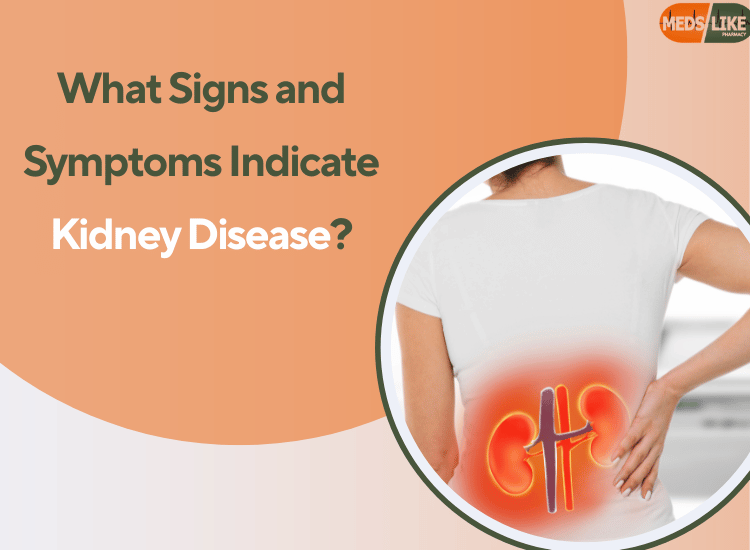
Our kidneys are vital organs that work silently in the background, filtering waste, balancing fluids, and keeping our bodies healthy. Despite their importance, kidney problems often go unnoticed in the early stages. Many people may not realize something is wrong until the disease has already progressed. That’s why it’s so important to recognize the early signs and symptoms of kidney disease. By paying attention to these warning signals, you can seek medical advice early and prevent further complications.
Why Are the Kidneys So Important?
Before diving into the symptoms, it helps to understand what the kidneys do. Each person typically has two kidneys, located on either side of the spine, just below the rib cage. Their main functions include:
-
Filtering waste and toxins from the blood.
-
Balancing fluid and electrolyte levels.
-
Controlling blood pressure by regulating hormones.
-
Producing red blood cells by releasing erythropoietin.
-
Supporting bone health by activating vitamin D.
When the kidneys are not functioning properly, waste products build up in the blood, fluids may accumulate in the body, and many vital processes become disrupted. This leads to the condition known as chronic kidney disease (CKD).
Early Signs of Kidney Disease
One of the challenges with kidney disease is that early stages often present very mild or no symptoms at all. Still, there are subtle signs to look out for:
1. Fatigue and Low Energy
Healthy kidneys produce a hormone called erythropoietin, which helps make red blood cells. Fewer red blood cells mean less oxygen for your muscles and brain, leading to constant tiredness and fatigue. If you often feel weak or find it hard to focus, it may be linked to kidney problems.
2. Trouble Sleeping
Toxins that are normally filtered out by the kidneys can remain in the blood when they’re not working properly. This buildup can affect sleep quality, causing restlessness or even sleep apnea.
3. Dry, Itchy Skin
Kidneys help balance minerals and nutrients in the body. When they don’t function well, waste accumulates, leading to mineral imbalances. This may result in dry, itchy, or flaky skin.
4. Frequent Urination
If you find yourself urinating more often, especially at night, it could be a warning sign of kidney disease. Damaged kidney filters can increase the urge to pass urine.
5. Blood in Urine
Healthy kidneys keep blood cells in the body while filtering waste. When filters are damaged, blood cells can leak into urine, making it appear pink, red, or brown.
6. Foamy Urine
Excessive bubbles or foam in urine may signal protein leakage. Protein in urine (proteinuria) is one of the early signs of kidney damage.
Advanced Symptoms of Kidney Disease
As kidney disease progresses, the signs become more noticeable. These include:
1. Swelling in Legs, Ankles, or Hands
Damaged kidneys are unable to remove excess sodium and fluid. This leads to swelling, especially in the lower extremities.
2. Shortness of Breath
Fluid buildup in the lungs due to kidney disease can make it hard to breathe. Additionally, anemia caused by poor kidney function can reduce oxygen levels, leading to breathlessness.
3. Persistent Nausea and Vomiting
As toxins accumulate in the body, they can upset the stomach, causing nausea, loss of appetite, and sometimes vomiting.
4. Changes in Taste and Bad Breath
A metallic taste in the mouth or ammonia-like breath is a common complaint among people with advanced kidney disease. This happens because of waste buildup in the blood.
5. High Blood Pressure
Kidneys help regulate blood pressure. When they’re not functioning properly, blood pressure often rises, which can further damage the kidneys in a dangerous cycle.
6. Difficulty Concentrating
A lack of red blood cells and oxygen supply to the brain may cause dizziness, poor concentration, or even memory issues.
When to See a Doctor
Many symptoms of kidney disease can resemble those of other health issues, making it easy to overlook the problem. However, if you experience ongoing changes such as foamy urine, swelling in your legs, or constant fatigue, it’s important to seek medical advice.
A healthcare professional may suggest basic tests to check kidney function, including a urine test to detect protein or blood, a blood test to measure creatinine and eGFR, blood pressure monitoring, and imaging exams like an ultrasound to assess kidney structure.
Detecting kidney disease early is crucial, as timely treatment and lifestyle adjustments can slow its progression and help prevent serious complications.
Risk Factors for Kidney Disease
Not everyone is at equal risk of developing kidney problems. The following factors increase your chances:
Diabetes – High blood sugar damages blood vessels in the kidneys.
High blood pressure – Strains kidney function over time.
Family history of kidney disease.
Age – Risk increases after age 60.
Obesity – Contributes to high blood pressure and diabetes.
Frequent use of painkillers or certain medications can be harmful to the kidneys.
If you fall into a high-risk category, regular checkups are especially important.
Tips for Supporting Kidney Health
Even if you don’t have symptoms, it’s wise to protect your kidneys through healthy lifestyle choices. Here are some tips:
Stay hydrated – Drink enough water, but don’t overdo it.
Eat a balanced diet – Focus on fruits, vegetables, whole grains, and lean proteins. Reduce salt and processed foods.
Maintain a healthy weight – Prevent diabetes and high blood pressure.
Exercise regularly – Supports circulation and overall health.
Avoid smoking and excessive alcohol – Both harm the kidneys.
Limit over-the-counter painkillers – Non-steroidal anti-inflammatory drugs (NSAIDs) can cause kidney damage if used excessively.
Monitor blood sugar and blood pressure – Keep them in check if you have diabetes or hypertension.
Conclusion
Kidney disease often develops silently, showing little to no symptoms in its early stages. However, being aware of warning signs like fatigue, frequent urination, blood in urine, swelling, or changes in taste can make a big difference. If you experience these symptoms, don’t ignore them—consult a healthcare professional promptly.
By recognizing the signs early, getting proper tests, and adopting a healthy lifestyle, you can protect your kidneys and reduce the risk of serious complications. Remember, your kidneys are small but mighty organs that play a huge role in your overall health, and they deserve your attention and care.


