 +1 305 709 4119 (Click to chat)


Black Pepper : Nutrition And Health Benefits

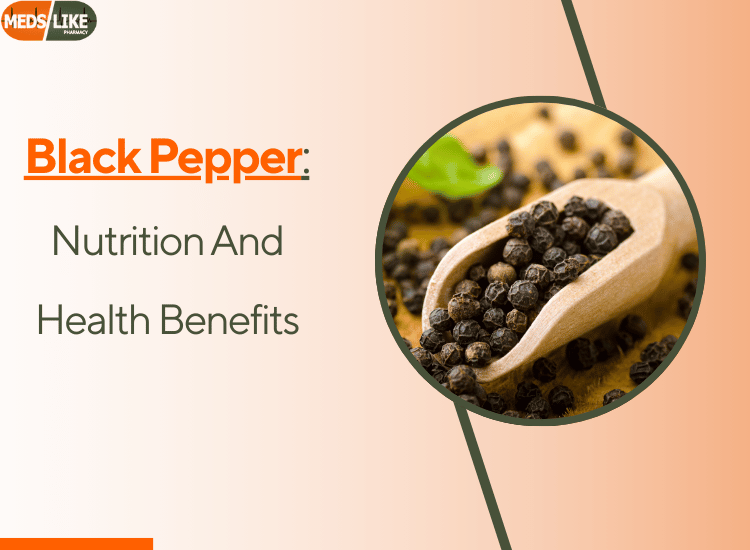
Black pepper, famously known as the “King of Spices,” is among the most popular and widely used seasonings across the globe. Known for its sharp, pungent flavor and distinct aroma, black pepper has been an essential ingredient in kitchens for centuries. But beyond enhancing the taste of your favorite dishes, black pepper is packed with nutrients and bioactive compounds that offer several health benefits.
Let’s explore the nutritional value and the many ways black pepper can contribute to a healthier lifestyle.
Nutritional Profile of Black Pepper
Black pepper is more than just a flavor enhancer. It is rich in vitamins, minerals, and antioxidants that support overall health. Here’s what you get in a teaspoon (about 2.3 grams) of ground black pepper:
-
Calories: ~6
-
Protein: 0.2 g
-
Carbohydrates: 1.4 g
-
Fiber: 0.6 g
-
Fat: 0.1 g
Black pepper also contains:
-
Vitamin K – important for bone health and blood clotting
-
Vitamin C – a potent antioxidant that strengthens the immune system and protects the body from infections.
-
Iron is a vital mineral that supports healthy blood and helps transport oxygen efficiently throughout the body.
-
Calcium – supports bones and teeth
-
Potassium – helps maintain healthy blood pressure
Its active compound, piperine, is responsible for most of its medicinal properties and distinct spiciness.
Improves Digestion
Black pepper has long been used as a natural remedy to improve indigestion. Piperine stimulates the stomach to produce hydrochloric acid, which aids in breaking down food more efficiently. Better digestion means fewer issues like bloating, constipation, and indigestion.
Adding a pinch of black pepper to meals can help promote smoother digestion and better nutrient absorption.
Boosts Nutrient Absorption
One of the most unique benefits of black pepper is its ability to enhance the absorption of nutrients from other foods. Piperine increases the bioavailability of vitamins and minerals, helping your body get more from what you eat.
For example, pairing black pepper with turmeric significantly boosts the absorption of curcumin, turmeric’s main active compound, making it more effective in reducing inflammation.
Supports Weight Management
If you are on a weight-loss journey, black pepper can be a useful addition to your diet. Piperine may help boost metabolism and increase fat breakdown. Its thermogenic properties slightly raise body temperature, encouraging the body to burn more calories.
Moreover, black pepper adds flavor without extra calories, helping you cut back on high-sodium seasonings or heavy sauces that can contribute to weight gain.
Rich in Antioxidants
Black pepper is loaded with antioxidants, which fight free radicals that can damage cells and accelerate aging. This antioxidant activity helps reduce oxidative stress, lowering the risk of chronic diseases like cancer, heart disease, and neurodegenerative disorders.
Regular consumption of black pepper may also help keep your skin healthy and glowing by reducing damage caused by pollution and UV rays.
Boosts Immunity
A strong immune system is vital for fighting infections and staying healthy. Black pepper contains vitamin C, which supports immune function, and piperine, which has antibacterial and anti-inflammatory properties.
Consuming black pepper regularly may help your body defend itself against common colds, flu, and other seasonal illnesses.
Supports Respiratory Health
Traditionally, black pepper has been used as a natural remedy for respiratory issues such as cough, cold, and congestion. Its warm nature helps clear mucus from airways, providing relief from chest congestion.
You can mix black pepper with honey for a soothing natural cough remedy.
Promotes Healthy Blood Sugar Levels
Emerging studies suggest that black pepper may help regulate blood sugar by improving insulin sensitivity. Piperine supports better glucose metabolism, which may be beneficial for individuals managing diabetes or prediabetes.
Including black pepper in your daily diet could be a simple step toward better blood sugar control.
Good for Brain Health
Piperine has been studied for its potential neuroprotective effects. It may help improve memory and cognitive function by reducing oxidative stress and inflammation in the brain.
Some research even suggests that black pepper may offer protective benefits against neurodegenerative conditions like Alzheimer’s disease.
Supports Heart Health
Heart health is another area where black pepper shines. Its antioxidant and anti-inflammatory properties help keep arteries healthy by reducing plaque buildup.
The potassium in black pepper supports healthy blood pressure levels, while its ability to lower cholesterol may reduce the risk of heart disease.
Natural Pain Reliever
Black pepper can also act as a natural pain reliever. Piperine has analgesic properties that may help reduce pain and inflammation, particularly in conditions like arthritis.
Some topical creams use piperine for pain relief, but consuming black pepper regularly can also contribute to overall joint and muscle comfort.
How to Add Black Pepper to Your Diet
Black pepper is incredibly versatile and easy to incorporate into meals:
-
Sprinkle it on eggs, soups, or salads
-
Add it to marinades or spice rubs for meats and vegetables
-
Combine black pepper with turmeric to unlock a powerful natural anti-inflammatory effect for better overall health.
-
Stir a pinch into herbal teas for a warming effect
For maximum benefits, use freshly ground black pepper, as it contains more piperine and retains its flavor better than pre-ground pepper.
Conclusion
Black pepper is more than just a kitchen staple — it’s a nutrient-packed spice with a wide range of health benefits. From boosting digestion and metabolism to improving nutrient absorption, protecting the heart, and supporting brain health, black pepper is truly a super spice.
Adding this simple ingredient to your meals can enhance flavor and contribute to better overall health. So, the next time you reach for your spice rack, remember that a sprinkle of black pepper does more than just season your food — it nourishes your body too.
FAQs
1. How much black pepper should I eat daily?
A pinch (about 1–2 grams) per meal is safe and enough to enjoy its health benefits.
2. Can black pepper help with weight loss?
Yes. Piperine in black pepper boosts metabolism and supports fat burning when combined with a healthy diet and exercise.
3. Is black pepper safe during pregnancy?
Yes, in moderate amounts. Avoid excessive intake, as it may cause stomach irritation.
4. Can too much black pepper be harmful?
Excess consumption may lead to heartburn or stomach upset. Stick to moderate amounts for the best results.
5. Does black pepper interact with medicines?
Piperine can enhance drug absorption. If you are on regular medication, consult your doctor before consuming large amounts.


